
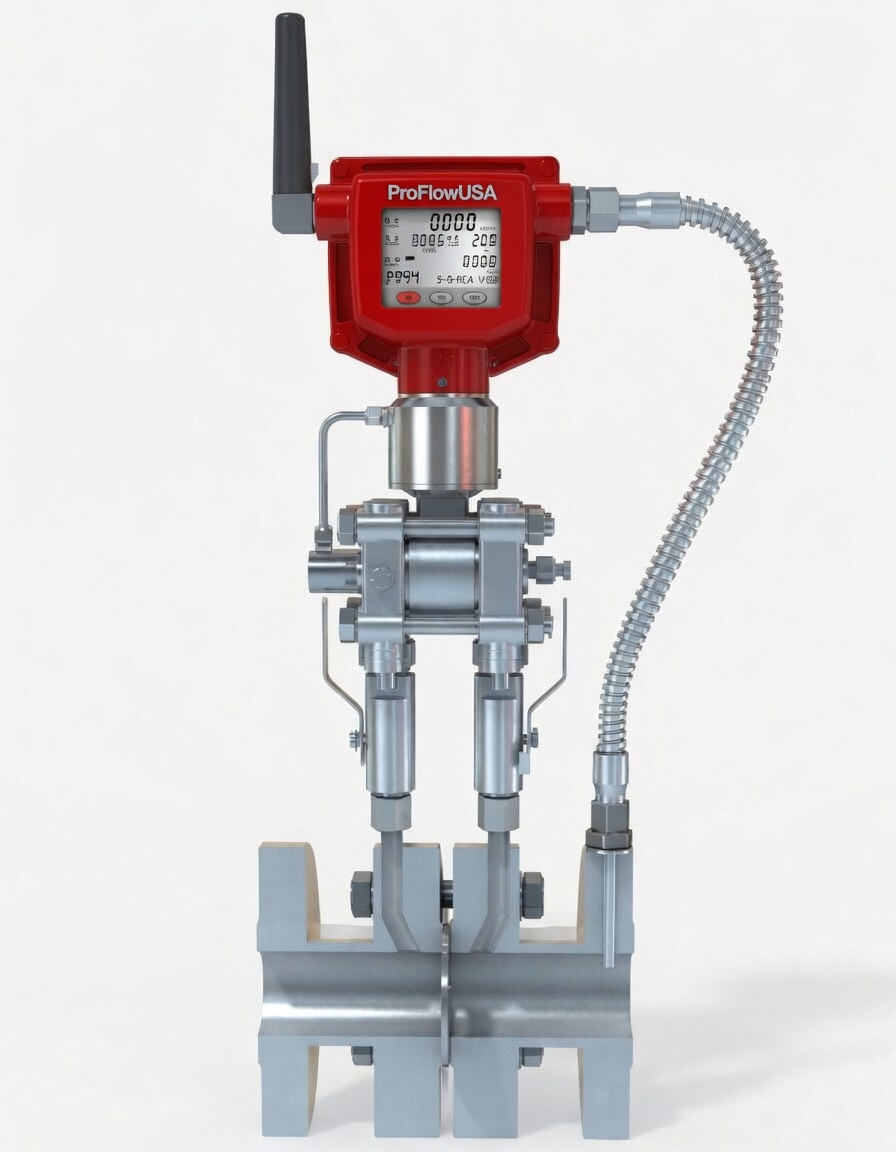
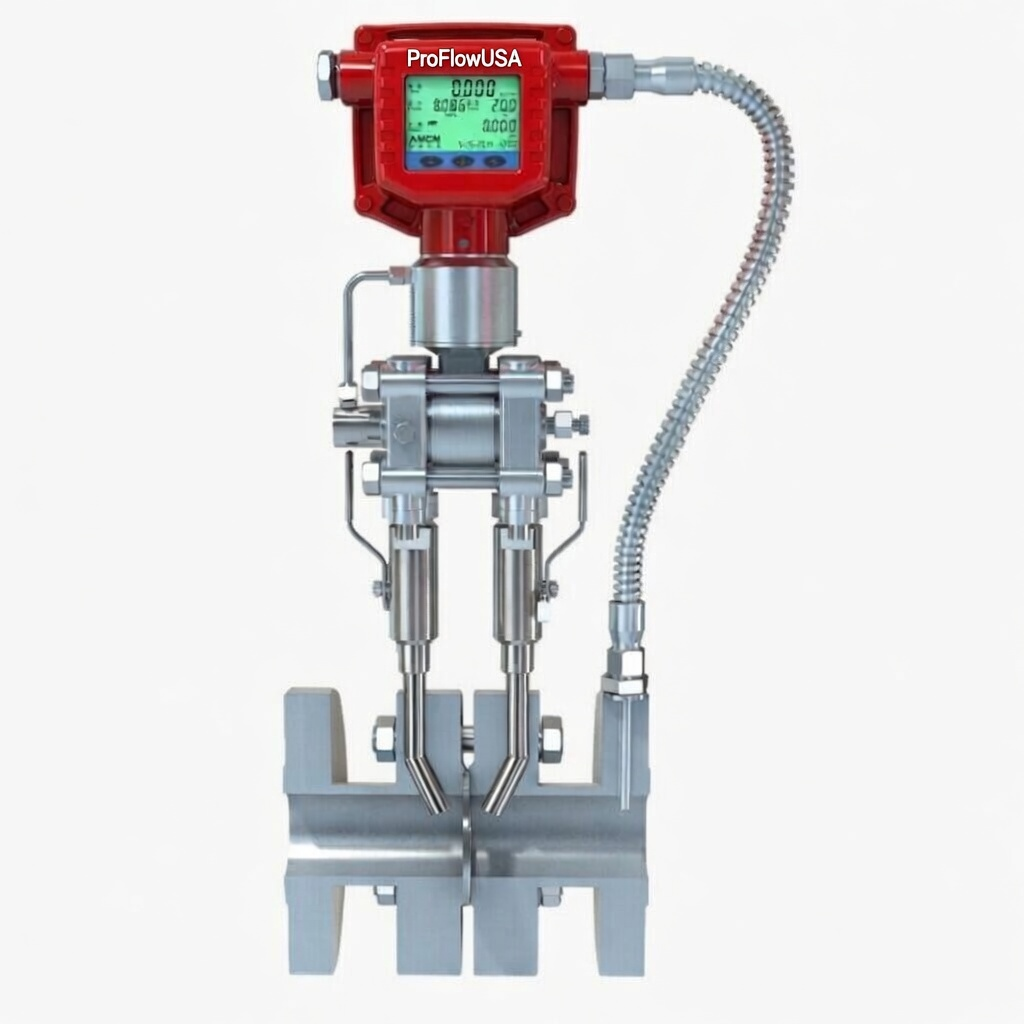
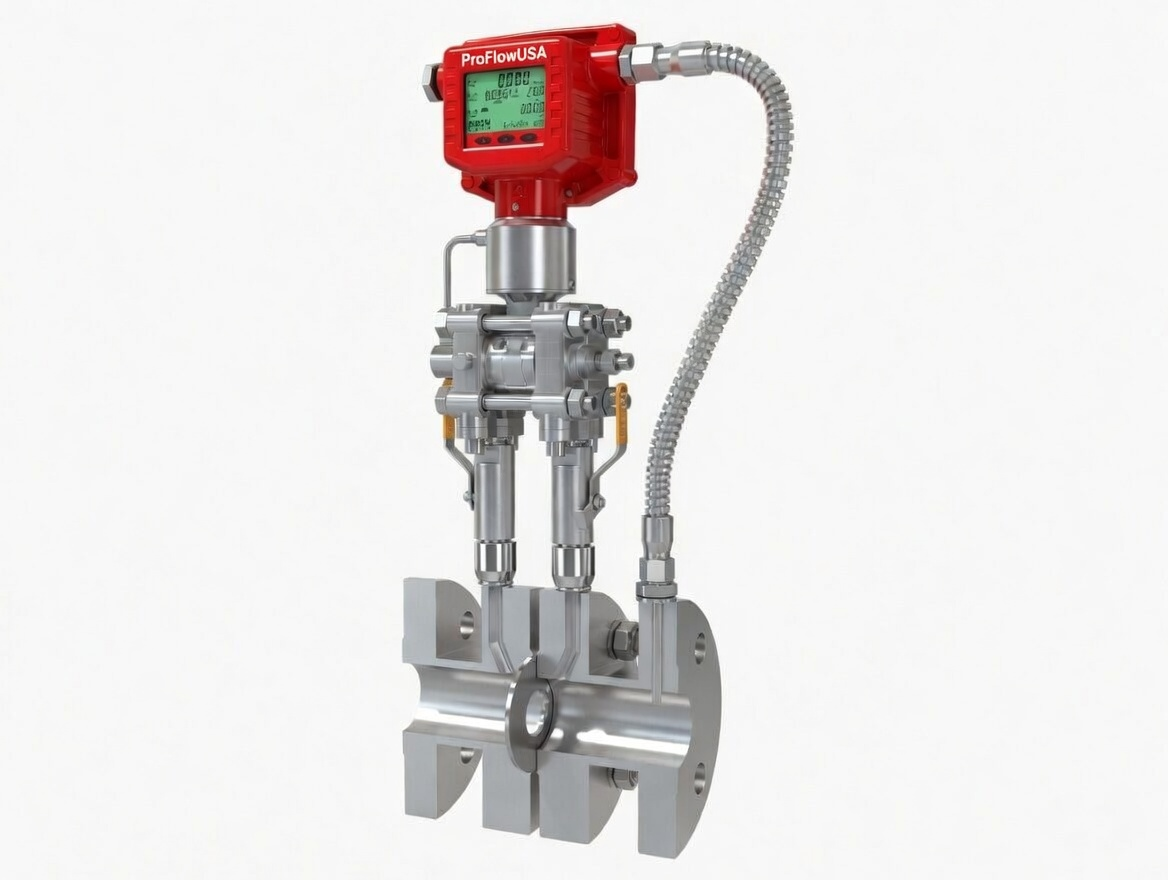
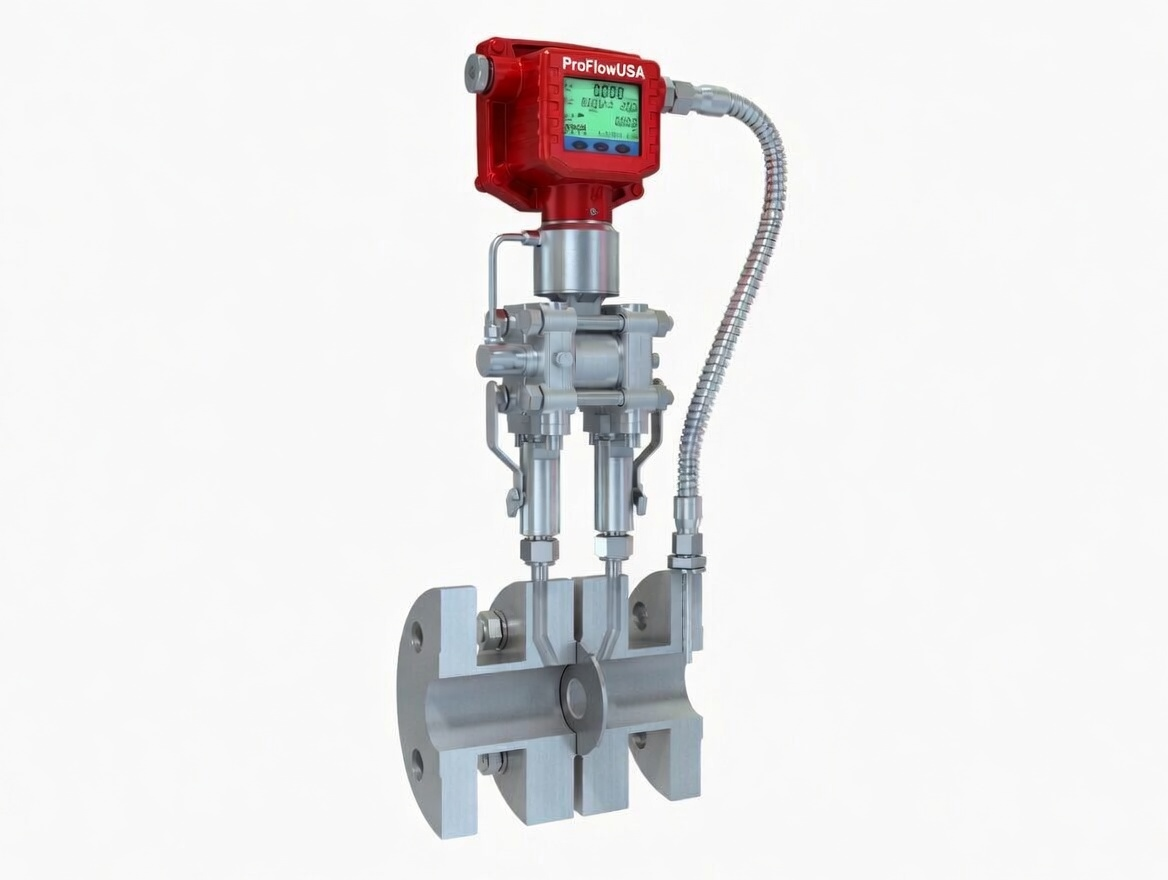
Wireless Flow Meter

Wireless Flow Meters

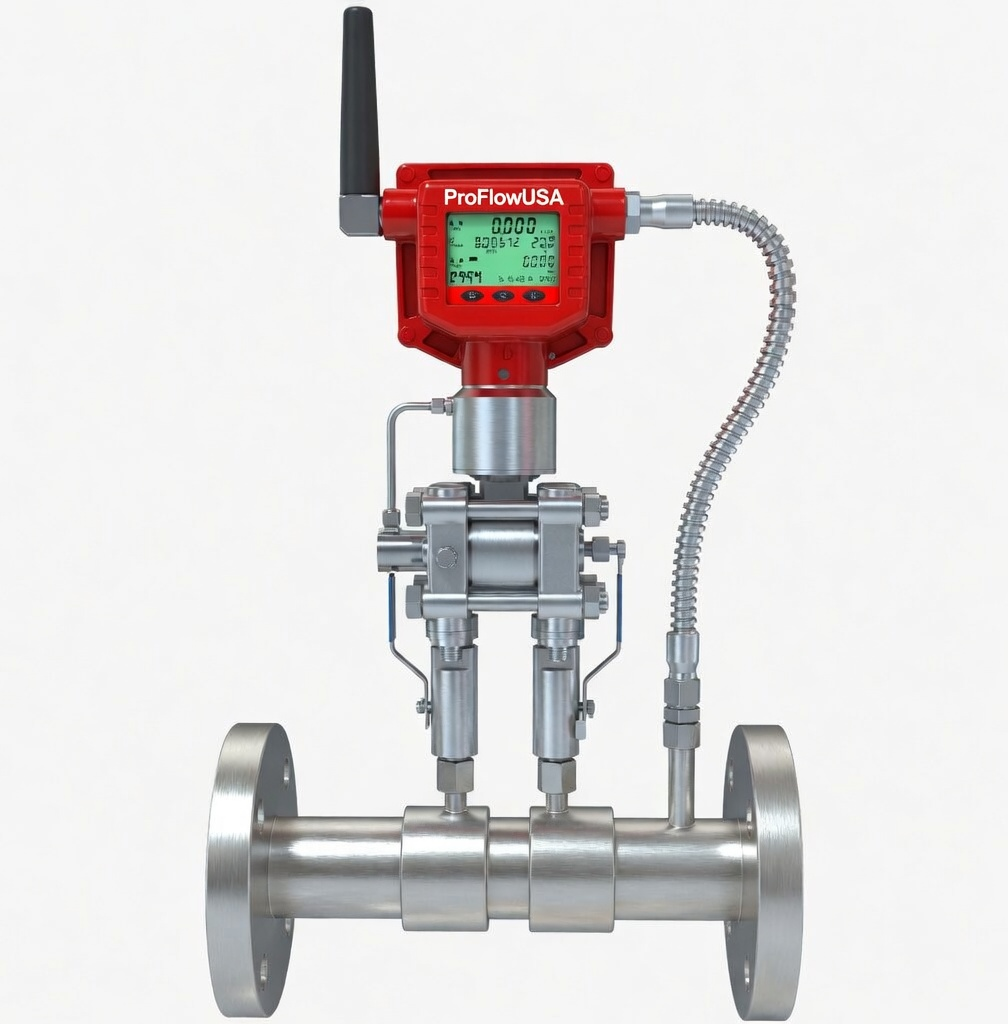
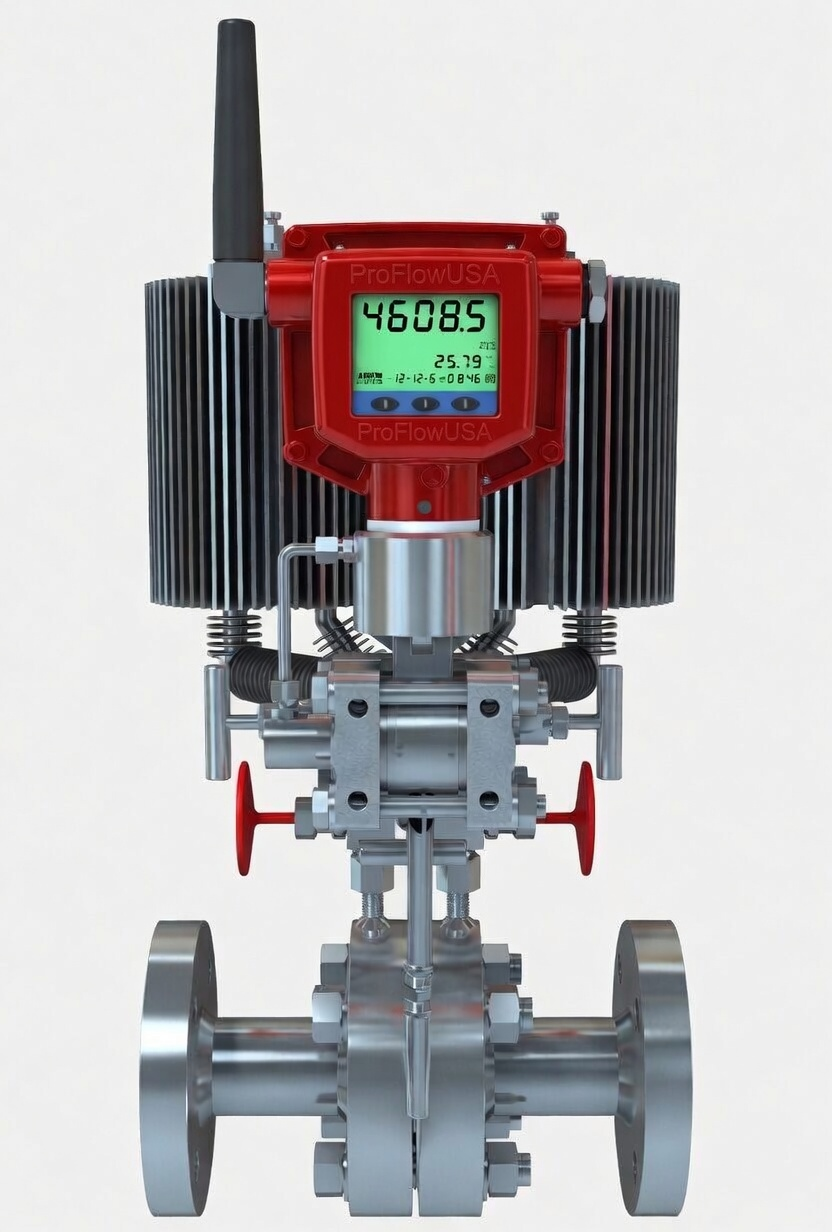
Wireless flow meters deliver accurate flow measurement with the freedom of cable-free data transmission, making them ideal for modern industrial applications.

How They Work
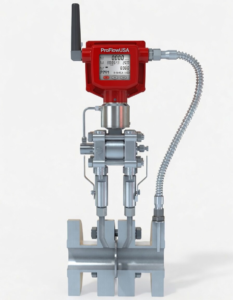
A sensor (ultrasonic, electromagnetic, turbine, or other technology) detects the flow of liquid or gas. The transmitter processes the signal and sends it wirelessly via Wi-Fi, Bluetooth, Zigbee, or cellular networks to remote monitoring systems, SCADA, DCS, or mobile devices.

Key Benefits

  • Eliminates expensive and complex wiring
  • Simplifies installation and allows easy relocation
  • Provides real-time remote data access
  • Seamless integration with SCADA, DCS, and IIoT systems
  • Ideal for remote, hazardous, or hard-to-reach locations
  • Supports predictive maintenance and faster decision-making

Main Components

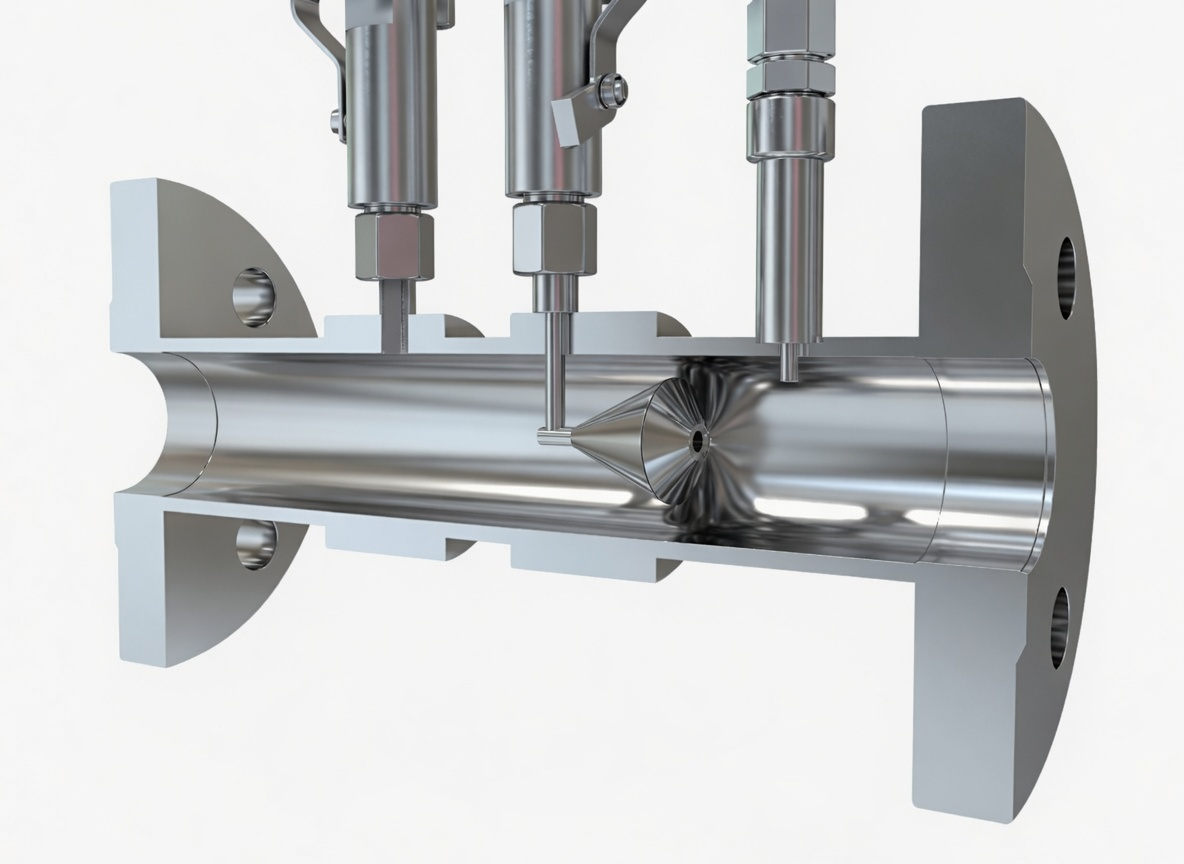
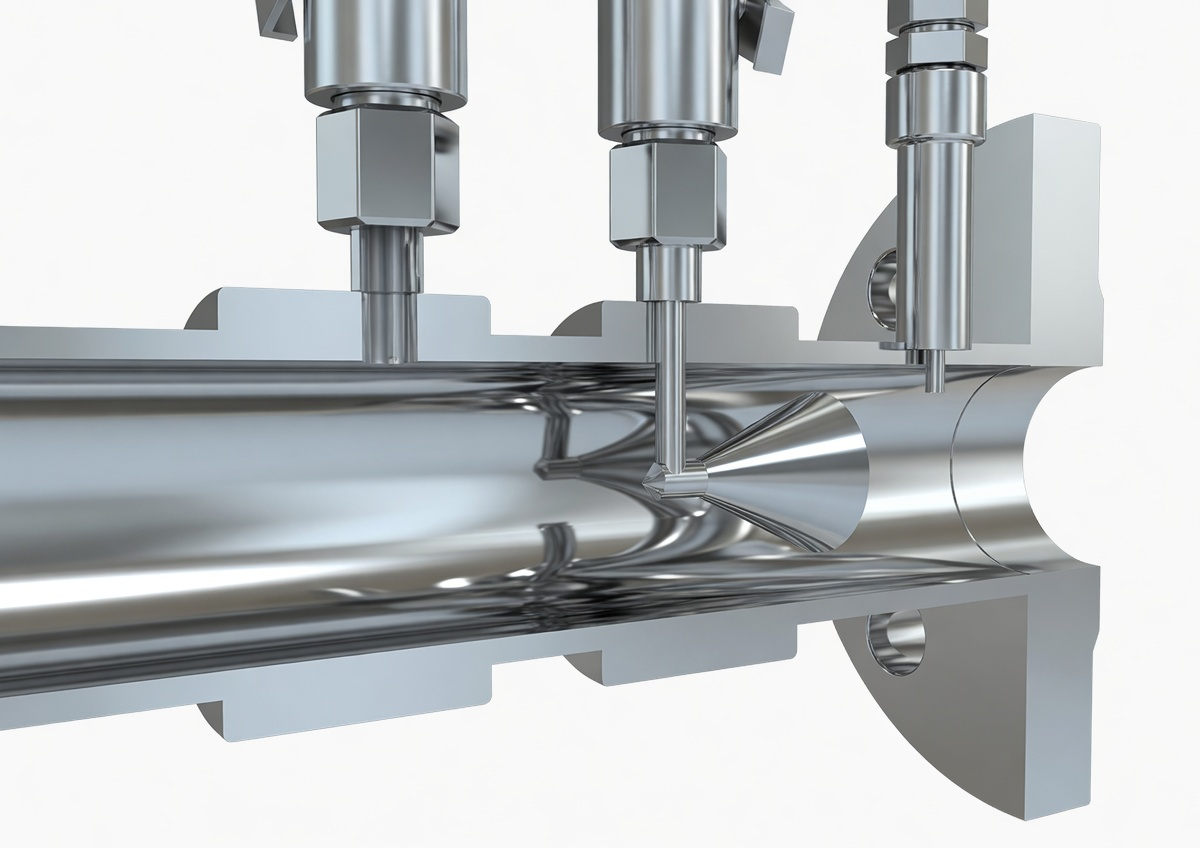
  • Sensor: Detects flow using ultrasonic, electromagnetic, turbine, or other methods
  • Transmitter: Processes the signal and prepares data for wireless transmission
  • Communication Module: Uses Wi-Fi, Bluetooth, Zigbee, or cellular networks
  • Power Source: Battery-powered or energy-harvesting options for remote use

Designed for harsh industrial environments, wireless flow meters combine accuracy with the flexibility of modern wireless technology.

Cable-Free • Real-Time Data • Industrial Ready

Description

Wireless Flow Meters

Wireless flow meters deliver accurate flow measurement with the convenience of cable-free data transmission, making them ideal for modern industrial applications.

How They Work

A wireless flow meter uses a sensor (ultrasonic, electromagnetic, turbine, or other technology) to detect fluid or gas flow. The transmitter processes the signal and sends it wirelessly via Wi-Fi, LoRa, Bluetooth, Zigbee, or cellular networks to remote monitoring systems, SCADA, or mobile devices.

Key Benefits

  • Eliminates costly and complex wiring
  • Easy installation and relocation with minimal downtime
  • Real-time remote monitoring and data access
  • Seamless integration with SCADA, DCS, and IIoT systems
  • Ideal for hard-to-reach or hazardous locations
  • Supports predictive maintenance and faster decision-making

Main Components

  • Sensor: Detects flow using ultrasonic, electromagnetic, turbine, or other methods
  • Transmitter: Processes the signal and prepares data for wireless transmission
  • Communication Module: Uses Wi-Fi, Bluetooth, Zigbee, or cellular networks
  • Power Source: Battery-powered or energy-harvesting options for remote installations

Wireless flow meters combine accuracy with the flexibility of modern wireless technology, making them a smart choice for water treatment, oil & gas, chemical processing, and many other industries.

Cable-Free • Real-Time Data • Industrial Ready
Additional information

Size

1/2", 3/4", 1", 1-1/2", 2", 3", 4"

Communications

LoRa, IOT, Cellular 4G

Connection Ends

Threaded (FNPT), Flanged (RF150), Tri-Clamp (Sanitary)

Specifications

High-performance wireless flow meters designed for reliable, cable-free monitoring in industrial environments.

Specification Details
Measurement Range Flow Rate: 0.1 to 1000 L/min (0.03 to 264 GPM)
Accuracy: ±1% of reading
Repeatability: ±0.5% of reading
Sensor Type Ultrasonic (non-intrusive), Electromagnetic (conductive fluids), Turbine (wide fluid range)
Communication Technology Wi-Fi, Bluetooth, Zigbee, or Cellular
Frequency Bands: 2.4 GHz, 5 GHz (Wi-Fi), 900 MHz (Zigbee)
Power Supply Lithium-ion or Alkaline batteries (up to 5 years life)
Optional solar or kinetic energy harvesting
Display & User Interface Optional LCD/LED local display
Web-based interface or mobile app for remote monitoring and configuration
Environmental Specifications Temperature: -20°C to +70°C (-4°F to +158°F)
IP68 rated for dust and water resistance
Installation Wall, pole, or pipe mount options
Quick-connect or threaded fittings
Data Logging & Storage Internal memory up to 1 GB
Configurable logging intervals
Export in CSV or Excel format
Calibration & Diagnostics User-adjustable calibration with automatic routines
Built-in self-diagnostics for sensor and communication issues
Compliance & Certification CE, FCC, RoHS compliant
ATEX/IECEx available for explosive environments
Warranty & Support 2-year limited warranty
24/7 technical support and online resources

Fully customizable to meet your exact application requirements — from sensor type to communication method and environmental ratings.

Accurate • Wireless • Built for Industry

Installation

Proper installation ensures accurate measurement, reliable wireless communication, and long-term performance.

1. Preparation

  • Review the manufacturer’s manual for your specific model and safety guidelines
  • Gather all required tools and materials (drill, screwdriver, mounting brackets, connectors, cables)

2. Choose the Installation Location

  • Select a spot with good wireless signal strength and minimal obstructions
  • Ensure the location is within the device’s environmental tolerances (temperature, humidity)
  • For outdoor use, confirm weather resistance suitability

3. Mount the Sensor

  • Clean the pipe and ensure proper alignment
  • Install the sensor (ultrasonic, electromagnetic, or turbine) according to the manual
  • Use provided brackets or clamps and secure tightly

4. Connect Power and Communication

  • Insert batteries or connect external power as specified
  • Attach the wireless communication module and position the antenna for optimal signal
  • Secure all cables and connections

5. Configuration & Testing

  • Power on the meter and access the configuration interface (local display, web, or app)
  • Set flow units, calibration, and communication parameters
  • Perform initial calibration using known flow rates if required
  • Verify real-time measurements and confirm data transmission to the monitoring system

6. Final Checks & Documentation

  • Inspect for leaks and ensure secure mounting
  • Document the installation location, settings, and calibration data
  • Schedule regular maintenance and inspections

Following these steps ensures accurate, reliable wireless flow measurement with minimal downtime.

Proper Setup • Accurate Data • Reliable Performance

Maintenance

Regular maintenance ensures accurate measurements, reliable wireless communication, and a long service life for your wireless flow meter.

Routine Inspections

  • Visually check the sensor, mounting hardware, and communication module for damage, corrosion, or loose parts
  • Inspect all cables and connectors for wear, fraying, or loose connections

Cleaning

  • Gently clean the sensor surface with a soft, dry cloth
  • Use compressed air or a dry cloth to remove dust from connectors — avoid moisture or harsh chemicals

Connections & Performance Monitoring

  • Periodically tighten all electrical and mechanical connections
  • Monitor signal strength and data transmission quality
  • Verify measurement accuracy against known flow rates and recalibrate if needed

Environmental & Power Management

  • After severe weather, inspect for damage and remove any debris
  • For battery models, monitor battery life and replace before depletion
  • Check external power sources for stability and secure connections

Firmware, Calibration & Documentation

  • Apply firmware updates as released by the manufacturer
  • Perform regular calibration according to the manual
  • Keep detailed records of all inspections, cleaning, calibrations, and repairs

Consistent maintenance keeps your wireless flow meter delivering accurate, reliable data with minimal downtime.

Proactive Care • Accurate Data • Long-Term Reliability

Q&A

Quick answers to common maintenance questions for your wireless flow meter.

Question Answer
How often should I perform maintenance on my wireless flow meter? Perform routine maintenance every 3 to 6 months. Also inspect after severe weather or if you notice performance issues.
What should I look for during a visual inspection of the flow meter? Check for physical damage, cracks, corrosion, loose components, and debris on the sensor, mounting hardware, and communication module.
How do I clean the sensor and connectors of the flow meter? Gently clean the sensor with a soft, dry cloth. Use compressed air or a dry cloth for connectors. Avoid abrasive materials or harsh solvents.
How can I verify if the flow meter is performing accurately? Compare measurements against known standards or calibration fluids. Monitor performance data and signal strength to spot discrepancies early.
What steps should I take if I notice reduced signal strength or communication issues? Check for interference, ensure proper antenna positioning, verify connections and power supply. If issues persist, consult the manual or contact technical support.
When should I replace the batteries in my wireless flow meter? Replace batteries before they are fully depleted. Many models have low-battery alerts — act on them to avoid data interruptions.
How do I handle software or firmware updates for my flow meter? Check the manufacturer’s website or manual for updates and follow the provided instructions carefully.
What are the environmental considerations for maintaining a wireless flow meter? Keep the device within its rated temperature and humidity range. After extreme weather, inspect for damage and clear any debris.
How do I document maintenance activities and performance trends? Maintain a detailed log of inspections, cleaning, calibrations, repairs, and performance trends to spot recurring issues early.
When should I seek professional help for my flow meter? Seek professional assistance for persistent issues, complex troubleshooting, or if the meter is critical to operations. Scheduled professional inspections are also recommended for high-value installations.

Regular maintenance keeps your wireless flow meter accurate, reliable, and ready for continuous industrial use.

Proactive Care • Accurate Data • Long-Term Reliability

Advantages / Disadvantages

Wireless flow meters offer modern convenience and flexibility, but they also come with specific trade-offs that should be considered.

Key Advantages

Advantage Description
Reduced Installation Complexity Eliminates extensive cabling, simplifying installation and lowering labor costs — especially useful in hard-to-reach or hazardous areas.
Flexibility in Placement Can be installed and relocated easily without wiring constraints, ideal for temporary or changing setups.
Real-Time Data Access Provides immediate remote access to flow data for faster decision-making and response.
Reduced Maintenance Fewer mechanical wear points from cabling and built-in diagnostics help identify issues early.
Enhanced Integration Easily integrates with SCADA, DCS, and other automation systems for centralized control.
Scalability Simple to add more meters or sensors without major rewiring as needs grow.

Key Disadvantages

Challenge Description
Signal Interference Can be affected by other wireless devices, machinery, or environmental factors, impacting data reliability.
Limited Battery Life Battery-powered models require regular monitoring and replacement, which adds to maintenance tasks.
Higher Initial Cost Advanced wireless technology typically costs more upfront than traditional wired meters.
Security Concerns Wireless transmission can be vulnerable to unauthorized access if not properly secured.
Range Limitations Effective range can be limited by distance, obstacles, or interference, sometimes requiring repeaters.
Calibration & Configuration Complexity May require more careful setup and periodic calibration compared to simpler wired models.

When properly planned and maintained, wireless flow meters provide excellent flexibility and real-time insights, making them a strong choice for modern industrial applications.

Greater Flexibility • Real-Time Insights • Smart Implementation

Applications

Wireless flow meters provide accurate, cable-free flow measurement and real-time data across many industries, improving efficiency, safety, and control.

Industry / Application Key Uses & Benefits
Water & Wastewater Management Monitor water through treatment plants and distribution networks. Helps detect leaks, manage usage, and ensure regulatory compliance.
Oil & Gas Measure crude oil, natural gas, and refined products in pipelines and processing facilities. Supports leak detection, production monitoring, and safety.
Chemical Processing Track chemicals and fluids for precise mixing ratios and process control. Enables real-time adjustments and improved safety.
Food & Beverage Monitor ingredients, water, and finished products in processing lines. Ensures accurate dosing and consistent product quality.
Pharmaceutical Manufacturing Measure raw materials and solvents during production. Supports precise control and compliance with strict quality standards.
HVAC Systems Monitor chilled water, glycol, and refrigerants. Helps optimize energy use and detect system issues early.
Agriculture & Irrigation Track water and fertilizer flow in irrigation systems. Improves resource efficiency and crop management.
Energy Sector Measure steam, gas, and fluids in power plants. Supports efficient energy production and fuel management.
Mining Industry Monitor water and slurry flow in extraction and processing. Improves efficiency and reduces downtime.
Marine & Shipping Track fuel and ballast water on vessels. Helps optimize performance and ensure regulatory compliance.

From water treatment to oil & gas and beyond, wireless flow meters provide flexible, real-time flow data that improves efficiency, safety, and decision-making across industries.

Versatile • Real-Time • Cable-Free Monitoring

Downloads

Drawings

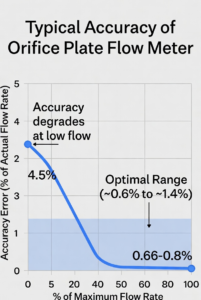
Accuracy %

Translate »
news-1701

yakinjp


sabung ayam online

yakinjp

yakinjp

rtp yakinjp

yakinjp

judi bola online

slot thailand

yakinjp

yakinjp

yakin jp

ayowin

yakinjp id

mahjong ways 2

JUDI BOLA ONLINE

maujp

maujp

sabung ayam online

sv388

taruhan bola online

maujp

maujp

maujp

maujp

sabung ayam online

sabung ayam online

sabung ayam online

judi bola online

sabung ayam online

judi bola online

slot mahjong ways

slot mahjong

118000451

118000452

118000453

118000454

118000455

118000456

118000457

118000458

118000459

118000460

118000461

118000462

118000463

118000464

118000465

118000466

118000467

118000468

118000469

118000470

118000471

118000472

118000473

118000474

118000475

118000476

118000477

118000478

118000479

118000480

118000481

118000482

118000483

118000484

118000485

118000486

118000487

118000488

118000489

118000490

128000531

128000532

128000533

128000534

128000535

128000536

128000537

128000538

128000539

128000540

128000541

128000542

128000543

128000544

128000545

208000221

208000222

208000223

208000224

208000225

128000546

128000547

128000548

128000549

128000550

128000551

128000552

128000553

128000554

128000555

138000371

138000372

138000373

138000374

138000375

138000376

138000377

138000378

138000379

138000380

138000381

138000382

138000383

138000384

138000385

138000386

138000387

138000388

138000389

138000390

138000391

138000392

138000393

138000394

138000395

138000396

138000397

138000398

138000399

138000400

138000401

138000402

138000403

138000404

138000405

138000406

138000407

138000408

138000409

138000410

138000411

138000412

138000413

138000414

138000415

158000296

158000297

158000298

158000299

158000300

158000301

158000302

158000303

158000304

158000305

158000306

158000307

158000308

158000309

158000310

158000311

158000312

158000313

158000314

158000315

158000316

158000317

158000318

158000319

158000320

158000321

158000322

158000323

158000324

158000325

158000326

158000327

158000328

158000329

158000330

158000331

158000332

158000333

158000334

158000335

178000726

178000727

178000728

178000729

178000730

178000731

178000732

178000733

178000734

178000735

178000736

178000737

178000738

178000739

178000740

178000741

178000742

178000743

178000744

178000745

178000746

178000747

178000748

178000749

178000750

178000751

178000752

178000753

178000754

178000755

208000196

208000197

208000198

208000199

208000200

208000201

208000202

208000203

208000204

208000205

208000206

208000207

208000208

208000209

208000210

208000211

208000212

208000213

208000214

208000215

208000216

208000217

208000218

208000219

208000220

228000376

228000377

228000378

228000379

228000380

228000381

228000382

228000383

228000384

228000385

228000386

228000387

228000388

228000389

228000390

238000551

238000552

238000553

238000554

238000555

238000556

238000557

238000558

238000559

238000560

238000561

238000562

238000563

238000564

238000565

238000566

238000567

238000568

238000569

238000570

news-1701