
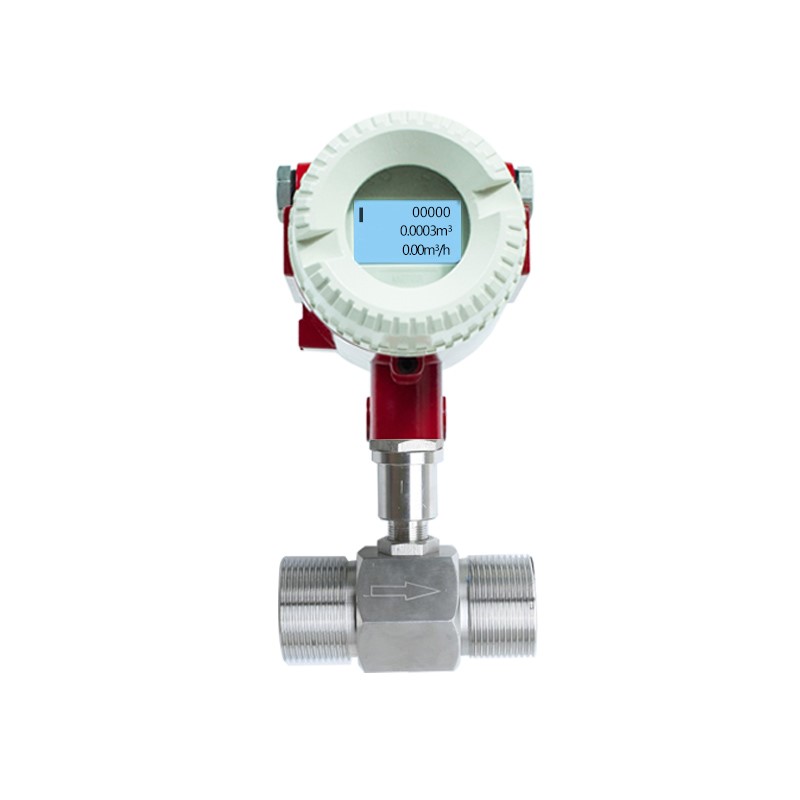
Turbine Flow Meters

Price range: $1,020.00 through $11,820.00

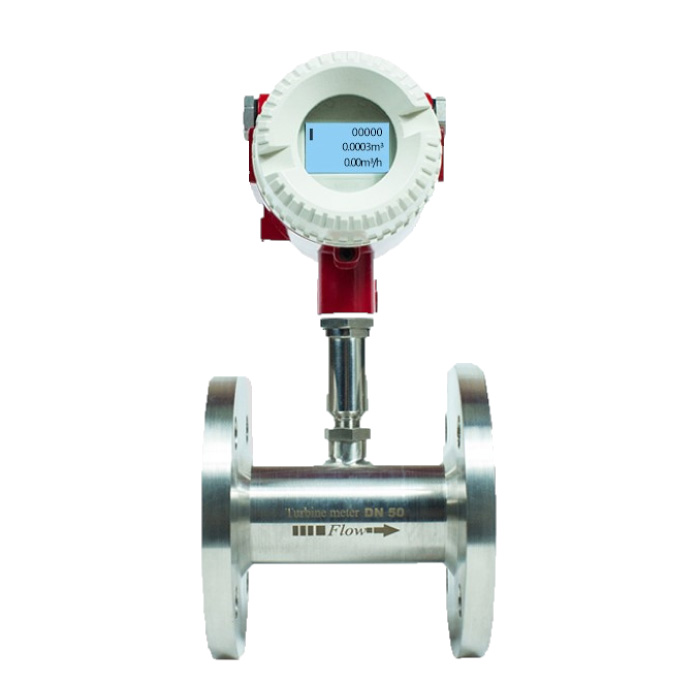
A turbine flow meter is a precise and reliable device used to measure the flow rate of liquids and gases in pipelines.

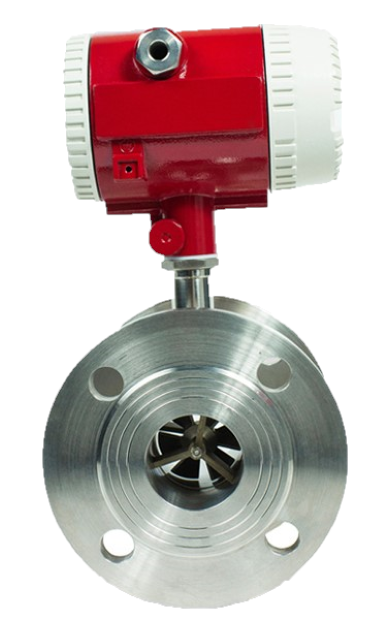
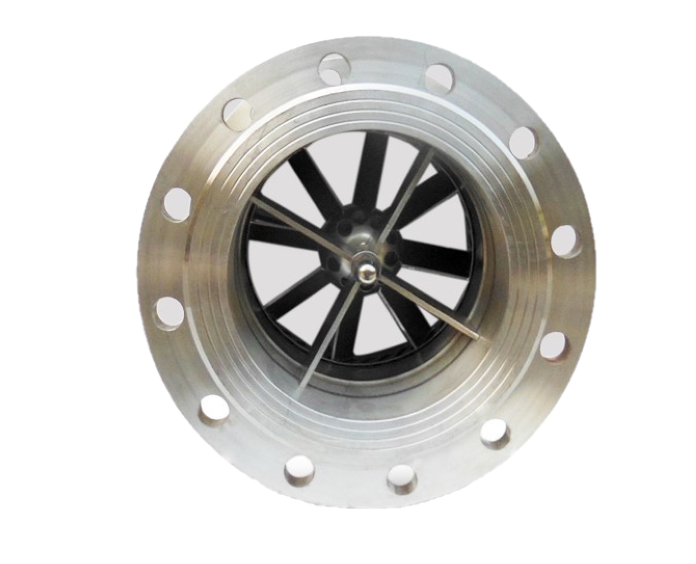
It works by using a spinning turbine rotor placed in the flow stream. As fluid passes over the blades, the rotor spins at a speed directly proportional to the flow rate. Sensors detect this rotation and convert it into an electrical signal for accurate measurement.

Known for high accuracy, wide flow range, low pressure drop, and durability, turbine flow meters are widely used in oil & gas, water treatment, chemical processing, and many other industries.

Accurate • Reliable • Versatile

Description

Turbine Flow Meters

Turbine flow meters are accurate, cost-effective instruments that measure flow by detecting the rotational speed of a turbine rotor placed directly in the fluid stream.

How They Work

Fluid flow spins a multi-bladed turbine rotor. The rotational speed is directly proportional to the flow velocity. Sensors (usually magnetic) detect the spinning blades and convert the movement into an electrical pulse signal, which is then processed to calculate the flow rate.

Advantages

  • High accuracy and excellent repeatability
  • Wide flow range with good turndown ratio
  • Low pressure drop
  • Compact, lightweight, and easy to install
  • Cost-effective for clean fluids
  • Ideal for custody transfer when properly calibrated

Limitations

  • Best suited for clean, low-viscosity fluids
  • Not recommended for dirty or abrasive fluids
  • Bearings can wear over time
  • Requires straight pipe runs for best accuracy
  • Performance drops at very low flow rates

Typical Applications

Turbine flow meters are widely used for measuring hydrocarbons, water, chemicals, cryogenic liquids, air, and industrial gases in water distribution, petroleum custody transfer, HVAC systems, and general process control.

If a turbine flow meter doesn’t perfectly fit your needs, we also offer Ultrasonic, Coriolis, Vortex, and Electromagnetic flow meters.

Accurate • Reliable • Cost-Effective
Additional information

Weight 14 lbs
Dimensions 12 × 12 × 14 in
Size

1/8" (0.04-0.25 M3/HR), 1/4" (0.1-0.6 M3/HR), 3/8" (0.2-1.2 M3/HR), 1/2" (0.6-6.0 M3/HR), 1" (1-10 M3/HR), 1-1/2" (2-20 M3/HR), 2" (4-40 M3/HR), 3" (10-100 M3/HR), 4" (20-200 M3/HR), 6" (30-300 M3/HR), 8" (80-800 M3/HR)

Connections

Threaded (FNPT), Flanged (RF150), Tri-Clamp (Sanitary), Compression

Accuracy

0.5% (Default), 0.3%

Voltage

24VDC / 85-220VAC, Battery 3.6V

Classifications

Intrinsically Safe (EXi), Explosion Proof (EXd)

Communication Protocol

HART, Modbus RTU RS485

Output

4-20 MA, 0-10KHZ, 0-10VDC (Optional)

Flange Type

ANSI, ASME, BS, JIS, DIN

Transmitter

Cumulative Flow, Instantaneous Flow, Forward Flow, Reverse Flow

LCD Display

Yes

Fluid

Liquid, Gas

Pressure Class

150LB (200PSIG @ <400F-Default), 300LB (635PSIG @ <400F)

Units

L/HR, L/MIN, L/SEC, M3/HR, M3/MIN, M3/SEC

QC Test Certificate

No, Yes

Specifications

Our turbine flow meters deliver outstanding performance with a combination of high accuracy, durability, and versatility.

Advantage Details
High Accuracy Standard accuracy of ±1% or ±0.5%, with premium models reaching ±0.2% of reading.
Excellent Repeatability Short-term repeatability as low as 0.05%–0.2%, making them ideal for trade settlement and custody transfer applications.
Pulse Output Frequency signal output with no zero drift and strong anti-interference capability — perfect for totalization and direct connection to PLCs or computers.
High Frequency Response Up to 3–4 kHz with excellent resolution for fast, dynamic processes.
Wide Turndown Ratio Medium and large diameters achieve up to 1:20, while smaller sizes offer 1:10.
Compact & Lightweight Easy to install and maintain with a space-saving design.
High Pressure Capability Can be configured for high-pressure applications without the need for additional openings.
Custom & Insertion Options Available in low-temperature, high-pressure, sanitary, and insertion styles. Insertion models offer low pressure loss and easy installation without stopping flow.

Precision • Versatility • Built for Performance

Accuracy %

Lower percentage = Higher Accuracy. Turbine flow meters deliver excellent precision for clean, low-viscosity fluids.

Accuracy Comparison (± % of Reading)

Turbine Flow Meter
±0.5%

Electromagnetic (Mag) Meter
±0.5%

Ultrasonic Flow Meter
±0.5% – 1%

Vortex Flow Meter
±0.75% – 1%

Coriolis Mass Flow Meter
±0.1% – 0.2%

Turbine flow meters offer outstanding accuracy (±0.5% typical) combined with excellent repeatability, making them a reliable and cost-effective choice for many clean fluid applications.

Higher Accuracy • Better Value • Proven Performance

Installation

Proper installation is essential for achieving accurate measurements and ensuring the long-term reliability of your turbine flow meter.

1. Pre-Installation Preparation

  • Read the manufacturer’s installation manual specific to your model.
  • Verify that the meter’s specifications (flow rate, pressure, temperature) match your application requirements.
  • Gather all necessary tools, fittings, sealant, and adapters.

2. Site Assessment & Pipe Preparation

  • Choose a location with sufficient straight pipe runs to ensure a stable flow profile.
  • Clean the pipe thoroughly to remove debris, scale, or obstructions.
  • If cutting the pipe, deburr the edges carefully to avoid damaging the meter.

3. Installing the Flow Meter

  • Shut off flow and depressurize the pipeline.
  • Apply pipe sealant or Teflon tape to threads as recommended.
  • Insert the meter ensuring the flow direction arrow matches the actual flow.
  • Tighten connections securely without over-tightening.
  • Confirm proper orientation and mounting per manufacturer guidelines.

4. Electrical & Signal Connections

  • Connect wiring according to the manufacturer’s instructions.
  • Ensure all connections are secure and properly insulated.
  • Configure signal output and perform any initial calibration as required.

5. System Check & Commissioning

  • Inspect for leaks around all connections.
  • Gradually reopen flow and monitor for proper operation.
  • Verify readings on the display or output signals.

Additional Tips for Success

  • Install within the meter’s rated temperature and pressure limits.
  • Use flow conditioners if your piping configuration creates turbulence.
  • Document the installation details, including date, location, and initial calibration settings.

Following these steps will help ensure accurate measurement and reliable performance from your turbine flow meter.

Proper Installation • Accurate Measurement • Long-Term Reliability

Maintenance

Proper maintenance is essential to ensure long-term accuracy, reliability, and maximum service life of your turbine flow meter.

Routine Inspections

  • Visual Check: Inspect the meter for signs of damage, leaks, corrosion, or unusual vibration/noise during operation.
  • Connections: Verify that all electrical and mechanical connections are secure and free from corrosion.

Cleaning

  • Determine cleaning frequency based on the fluid type and operating conditions (more frequent for dirty or viscous fluids).
  • Always shut off flow and depressurize the system before cleaning.
  • Use manufacturer-recommended cleaning agents and avoid abrasive materials.
  • Inspect turbine blades and bearings for wear while cleaning.

Calibration

  • Perform regular calibration according to the manufacturer’s recommendations or industry standards.
  • Calibrate in a controlled environment using known flow rates.
  • Make necessary adjustments and keep detailed records of calibration dates, results, and changes.

Functional Testing & Troubleshooting

  • Periodically test the meter under actual operating conditions and compare readings with a reference standard.
  • If readings are inconsistent, check for blockages, mechanical wear, or electrical issues.
  • Consult the manufacturer’s troubleshooting guide for model-specific guidance.

Component Replacement & System Maintenance

  • Replace worn or damaged parts (bearings, turbine blades, seals, gaskets) as needed.
  • Ensure proper straight pipe runs and stable flow profile for accurate measurement.
  • Inspect the pipeline for corrosion, blockages, or damage that could affect performance.

Documentation

Maintain detailed records of all maintenance activities, including inspections, cleaning, calibrations, repairs, and service history. This information is invaluable for troubleshooting and ensuring long-term reliability.

Following a regular maintenance schedule will help your turbine flow meter deliver accurate, reliable performance for many years while minimizing downtime.

Regular Care • Accurate Measurement • Long-Term Reliability

Q&A

Quick answers to the most common questions about turbine flow meters.

Question Answer
What is a turbine flow meter, and how does it work? A turbine flow meter measures the flow rate of liquids or gases by using a spinning turbine rotor. As fluid passes through, the rotor spins at a speed proportional to the flow rate. Sensors detect this rotation and convert it into an electrical signal for accurate flow measurement.
What are the key advantages of using a turbine flow meter? Turbine flow meters offer high accuracy, a wide flow range, minimal pressure drop, and excellent durability. They are well-suited for clean, low-viscosity fluids in industries such as oil & gas, water treatment, and chemical processing.
How should I install a turbine flow meter? Install the meter in a location with a stable, fully developed flow profile. Shut off and drain the line, apply pipe sealant, insert the meter with correct flow direction, and tighten connections securely. Open the flow gradually and check for leaks. Always follow the manufacturer’s specific guidelines.
What maintenance is required for a turbine flow meter? Perform regular visual inspections, clean the meter as needed, calibrate periodically, and check for leaks or mechanical wear. Replace worn parts promptly and maintain detailed service records.
How often should I calibrate a turbine flow meter? Calibration frequency depends on your application and operating conditions. Annual calibration is typically recommended, with more frequent checks advised for harsh environments or high flow variations.
What are common issues with turbine flow meters, and how can I troubleshoot them? Common problems include inaccurate readings, erratic performance, or rotor wear. Check for blockages, debris, or damage; verify electrical connections; and consult the manufacturer’s troubleshooting guide.
Can turbine flow meters measure both liquids and gases? Yes. Turbine flow meters can measure both liquids and gases, provided the meter is properly specified for the fluid type and operating conditions. Always check the manufacturer’s specifications for compatibility.
What should I do if my turbine flow meter shows inconsistent readings? Inconsistent readings are often caused by blockages, mechanical wear, or calibration drift. Inspect the pipeline for obstructions, verify calibration, and check for damage. Addressing these issues usually restores accurate performance.

Have more questions about turbine flow meters? Feel free to contact our technical support team — we’re here to help.

Accurate Answers • Expert Guidance • Reliable Flow Measurement

Advantages / Disadvantages

Turbine flow meters are a popular choice for many applications thanks to their accuracy and reliability. Below is a balanced overview of their strengths and limitations.

Key Advantages

Advantage Description
High Accuracy Deliver precise and repeatable flow measurements, ideal for applications where accuracy is critical.
Wide Flow Range Capable of measuring a broad spectrum of flow rates, making them versatile across many industries.
Low Pressure Drop Minimal impact on system pressure, helping maintain overall efficiency.
Durability Built with robust materials to withstand demanding industrial environments.
Real-Time Measurement Provide immediate flow data, essential for dynamic processes requiring fast feedback.
Easy Integration Compact design and multiple connection options make them simple to install into existing systems.
Low Maintenance Fewer moving parts compared to many other meter types, resulting in reduced maintenance needs.

Limitations & Disadvantages

Limitation Description
Viscosity Sensitivity Performance can be affected by changes in fluid viscosity, especially with non-Newtonian fluids.
Mechanical Wear The rotating turbine rotor is subject to wear over time and may require periodic maintenance or replacement.
Straight Pipe Requirements Needs sufficient straight pipe runs upstream and downstream to ensure a stable flow profile for accurate readings.
Limited Low-Flow Performance Accuracy can drop significantly at very low flow rates.
Fluid Compatibility Not ideal for fluids with high particulate content or those that cause abrasive wear.
Electrical Interference Sensitive electronic components can be affected by nearby electrical noise.
Higher Initial Cost Typically more expensive upfront than some simpler flow meter technologies.

Understanding both the strengths and limitations of turbine flow meters helps you choose the right solution for your specific application.

Precision • Durability • Informed Selection

Applications

Turbine flow meters are valued across industries for their accuracy, durability, and ability to handle a wide range of flow rates. Below are some of their most common applications.

Industry Typical Applications
Oil & Gas Measurement of crude oil, refined products (gasoline, diesel), and natural gas in production, transportation, and distribution.
Chemical Processing Monitoring and controlling chemical flows in reaction processes and batch production where precise ratios are essential.
Water & Wastewater Treatment Measurement of potable water in municipal systems and monitoring of wastewater and sludge in treatment plants.
Food & Beverage Accurate measurement of ingredients such as syrups, juices, milk, and other liquids during mixing, processing, and packaging.
Pharmaceutical Precise flow control of active ingredients, solvents, and other liquids to maintain strict quality and regulatory standards.
HVAC Systems Measurement of chilled water and hot water flow in heating and cooling systems for improved energy efficiency.
Automotive & Aerospace Fuel flow measurement for performance testing, quality control, and engine development.
Marine & Shipping Fuel management and monitoring on vessels to ensure efficiency and regulatory compliance.

From custody transfer in oil & gas to precise ingredient dosing in food and pharmaceutical production, turbine flow meters deliver reliable, cost-effective performance across countless applications.

Versatile • Accurate • Trusted Across Industries

Downloads

Flow-Application-Information-Form

Drawings

You may also like

Translate »
news-1701

yakinjp


sabung ayam online

yakinjp

yakinjp

rtp yakinjp

yakinjp

judi bola online

slot thailand

yakinjp

yakinjp

yakin jp

ayowin

yakinjp id

mahjong ways 2

JUDI BOLA ONLINE

maujp

maujp

sabung ayam online

sv388

taruhan bola online

maujp

maujp

maujp

maujp

sabung ayam online

sabung ayam online

sabung ayam online

judi bola online

sabung ayam online

judi bola online

slot mahjong ways

slot mahjong

118000451

118000452

118000453

118000454

118000455

118000456

118000457

118000458

118000459

118000460

118000461

118000462

118000463

118000464

118000465

118000466

118000467

118000468

118000469

118000470

118000471

118000472

118000473

118000474

118000475

118000476

118000477

118000478

118000479

118000480

118000481

118000482

118000483

118000484

118000485

118000486

118000487

118000488

118000489

118000490

128000531

128000532

128000533

128000534

128000535

128000536

128000537

128000538

128000539

128000540

128000541

128000542

128000543

128000544

128000545

208000221

208000222

208000223

208000224

208000225

128000546

128000547

128000548

128000549

128000550

128000551

128000552

128000553

128000554

128000555

138000371

138000372

138000373

138000374

138000375

138000376

138000377

138000378

138000379

138000380

138000381

138000382

138000383

138000384

138000385

138000386

138000387

138000388

138000389

138000390

138000391

138000392

138000393

138000394

138000395

138000396

138000397

138000398

138000399

138000400

138000401

138000402

138000403

138000404

138000405

138000406

138000407

138000408

138000409

138000410

138000411

138000412

138000413

138000414

138000415

158000296

158000297

158000298

158000299

158000300

158000301

158000302

158000303

158000304

158000305

158000306

158000307

158000308

158000309

158000310

158000311

158000312

158000313

158000314

158000315

158000316

158000317

158000318

158000319

158000320

158000321

158000322

158000323

158000324

158000325

158000326

158000327

158000328

158000329

158000330

158000331

158000332

158000333

158000334

158000335

178000726

178000727

178000728

178000729

178000730

178000731

178000732

178000733

178000734

178000735

178000736

178000737

178000738

178000739

178000740

178000741

178000742

178000743

178000744

178000745

178000746

178000747

178000748

178000749

178000750

178000751

178000752

178000753

178000754

178000755

208000196

208000197

208000198

208000199

208000200

208000201

208000202

208000203

208000204

208000205

208000206

208000207

208000208

208000209

208000210

208000211

208000212

208000213

208000214

208000215

208000216

208000217

208000218

208000219

208000220

228000376

228000377

228000378

228000379

228000380

228000381

228000382

228000383

228000384

228000385

228000386

228000387

228000388

228000389

228000390

238000551

238000552

238000553

238000554

238000555

238000556

238000557

238000558

238000559

238000560

238000561

238000562

238000563

238000564

238000565

238000566

238000567

238000568

238000569

238000570

news-1701