Description
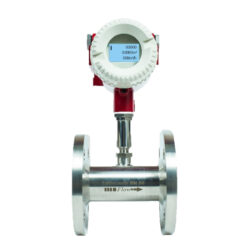
 An industrial inline sight glass is a crucial component used in various industries to monitor and control the flow of liquids and gases within pipelines. It provides a visual inspection point, allowing operators to observe the contents of a pipeline without interrupting the process. This device is essential for ensuring the quality of the product, verifying the flow rate, and detecting any issues such as clogs or contamination.
At its core, an inline sight glass is a transparent section of the pipeline, made from durable materials such as glass or clear plastic, designed to withstand high pressures and temperatures. This transparency allows for direct visual observation of the flow without the need to open the pipeline or divert the flow. The sight glass is typically installed between two flanged or threaded connections, integrating seamlessly into the existing piping system.
Design of an Inline Sight Glass
The design of an industrial inline sight glass involves several key features to ensure its functionality and reliability. It generally includes a protective casing made of metal or high-strength plastic that surrounds the transparent viewing section. Engineers design this casing to protect the sight glass from mechanical damage, chemical exposure, and extreme environmental conditions. They typically make the viewing section from tempered glass or high-grade acrylic to ensure clarity and durability.
To accommodate various industrial applications, sight glasses come in different sizes, shapes, and configurations. The most common types include simple sight glasses, which offer a straightforward view of the fluid or gas flow, and more advanced designs such as those with integrated illumination or sight flow indicators. These advanced versions include built-in LED lights that illuminate the viewing area, making it easier to observe the flow, especially in low-light conditions or for opaque fluids.
Features of a Sight Glass
Another important feature of some sight glasses is the presence of flow indicators. These indicators can be mechanical, such as rotating blades or vanes, or electronic, using sensors to detect and display flow rates. Flow indicators help operators quickly assess whether the flow is within the desired range, providing additional functionality beyond mere visual inspection.
The installation of an inline sight glass requires careful consideration to ensure proper alignment and secure sealing. You must position the sight glass correctly between two pipeline sections. This is to prevent leaks and maintain the integrity of the system. Gaskets or sealing rings are typically used to ensure a tight fit between the sight glass and the pipeline flanges or threads. Proper installation is crucial to avoid issues such as leakage, which could lead to contamination of the fluid, loss of pressure, or damage to the sight glass itself.
Maintenance
Maintenance of an industrial inline sight glass involves regular inspection and cleaning to ensure optimal performance. Over time, debris or residue from the fluid can accumulate on the sight glass, affecting visibility and accuracy. Routine cleaning procedures often involve removing the sight glass from the pipeline. This cleans the transparent section with appropriate solvents and reassembling it securely. It is also important to inspect the sight glass for any signs of damage or wear, such as cracks or scratches. Also, it is something that could compromise its functionality and safety.
In addition to its role in monitoring fluid flow, an inline sight glass also plays a significant role in ensuring process safety and quality control. By providing a clear view of the fluid or gas, it helps operators identify potential issues such as contamination. Other areas such as phase separation, or the presence of foreign particles. Early detection of such issues can prevent process failures, reduce downtime, and maintain product quality.
Uses of a Sight Glass
Industries such as chemical processing, pharmaceuticals, and food and beverage production widely use inline sight glasses. Also, other industries such as water treatment, and oil and gas. In chemical processing, they allow for the observation of corrosive or hazardous chemicals. This ensures that reactions are proceeding as expected and detecting any irregularities. In pharmaceuticals and food processing, operators use sight glasses to monitor the clarity and consistency of liquids. Additionally, which is critical for maintaining product quality and compliance with regulatory standards.
In water treatment facilities, sight glasses help operators observe the flow and quality of water throughout the treatment process. In addition, this is the case from raw water intake to final distribution. Furthermore, in oil and gas operations, they are used to monitor the flow of crude oil, gas, and refined products. This aides in the management of production and transportation processes.
Overall, an industrial inline sight glass is a vital component that enhances operational efficiency. We also use it for safety and quality control in various industrial applications. Its ability to provide a clear and immediate view of the fluid or gas flow within a pipeline. This helps operators make informed decisions. Also, detect potential issues, and ensure that processes are running smoothly. Proper selection, installation, and maintenance of the sight glass are essential for maximizing its effectiveness and reliability. As a result, it contributes to the overall success and safety of industrial operations.
Specifications
Material Specifications
- Body Material: [e.g., Stainless Steel 304/316, PVC, Brass]
- Sight Glass Material: [e.g., Borosilicate Glass, Acrylic, Polycarbonate]
- Gasket/Seal Material: [e.g., EPDM, Viton, PTFE]
Dimensions
- Diameter: 1/2″, 3/4″, 1″, 1-1/2″, 2″, 3″, 4″, 6″
- Length: 6 inches, 8 inches, Custom
- Wall Thickness: 1/4-inch, 1/2 inch
Connection Type
- Type: [e.g., Flanged, Threaded, Clamp, Welded]
- Connection Size: [e.g., 1 inch NPT, 2-inch ANSI Flange]
Performance Specifications
- Pressure Rating: 150 PSI, 300 PSI, 10 Bar
- Temperature Range: -20°C to 120°C, 0°F to 250°F
Visibility and Design
- Sight Glass Type: Clear, Graduated
- Visibility Features: Anti-Fog Coating, Scratch-Resistant, UV Protection
- Graduation Markings: Yes, No, Specific Intervals
Installation
- Orientation: Horizontal, Vertical
- Mounting Options: Standard Mounting Flanges, Adjustable Brackets
Compliance and Certifications
- Standards: ISO 9001, ANSI, DIN
- Certifications: FDA Approved, CE Marked
Maintenance and Durability
- Maintenance Requirements: Easy to Clean, Replaceable Seals
- Durability Features: Impact Resistant, Corrosion Resistant
- Warranty: 2 years
These specifications cover the essential aspects of an inline sight glass and provide a thorough overview to ensure it meets the requirements for various applications and environments.
Installation
Installing an inline sight glass involves several key steps to ensure proper function and longevity. Here’s a general guide for installation procedures:
1. Preparation
- Review Specifications: Verify that the sight glass specifications (size, pressure rating, material) match your system requirements.
- Gather Tools and Materials: Typical tools include wrenches, sealant (if needed), and cleaning supplies. Ensure you have any required gaskets or seals.
2. Safety Precautions
- Turn Off System: Ensure the system or pipeline where the sight glass will be installed is shut down and depressurized.
- Wear Safety Gear: Use appropriate personal protective equipment (PPE), such as gloves and safety glasses.
3. Inspect Components
- Check Sight Glass: Inspect the sight glass for any damage or defects before installation.
- Clean Flanges/Connections: Ensure that the flanges or connections where the sight glass will be installed are clean and free of debris.
4. Positioning the Sight Glass
- Align the Sight Glass: Position the sight glass between the pipeline flanges or connection points. Ensure that the orientation is correct based on system requirements (horizontal or vertical).
- Check Orientation: Confirm that the sight glass is aligned properly with the flow direction of the pipeline.
5. Installation Steps
- Insert the Sight Glass: Carefully place the sight glass into the pipeline, ensuring it is properly seated in the connection area.
- Apply Seals/Gaskets: If your sight glass uses gaskets or seals, place them on the flanges or connection points as per manufacturer instructions.
- Secure Connections: Tighten the bolts or fasteners evenly and gradually. Avoid over-tightening, as this can damage the sight glass or cause leakage.
6. Verification
- Check for Leaks: After installation, inspect the connections for any signs of leakage. Tighten any bolts if necessary to ensure a proper seal.
- Verify Alignment: Ensure the sight glass is properly aligned and there are no obstructions in the view area.
7. System Re-commissioning
- Gradual Pressurization: Slowly reintroduce pressure to the system to avoid sudden stress on the sight glass.
- Monitor Performance: Observe the sight glass during initial operation to ensure it is functioning correctly and that there are no leaks or issues.
8. Final Checks and Maintenance
- Documentation: Record the installation details, including date, personnel, and any issues encountered.
- Regular Maintenance: Plan for periodic inspection and maintenance as per manufacturer recommendations to ensure the sight glass continues to function properly.
Additional Tips
- Consult Manufacturer Instructions: Always follow specific installation instructions provided by the sight glass manufacturer, as there may be unique requirements or recommendations.
- Training: Ensure that personnel involved in the installation are adequately trained and familiar with the procedures and safety practices.
Proper installation is crucial for the effective operation of an inline sight glass and for maintaining system integrity.
Maintenance
Regular maintenance of an inline sight glass is essential to ensure its longevity and reliable performance. Here’s a comprehensive guide to maintaining an inline sight glass:
Regular Inspection
- Visual Check: Periodically inspect the sight glass for any visible signs of damage, such as cracks, scratches, or discoloration.
- Leak Inspection: Check the connections and seals around the sight glass for any signs of leakage or moisture.
Cleaning
- Frequency: Clean the sight glass based on the system’s operating conditions and the nature of the fluid being monitored. For example, if the fluid tends to leave deposits or is highly viscous, more frequent cleaning may be required.
- Cleaning Procedure:
- Turn Off System: Ensure the system is shut down and fully depressurized before beginning cleaning.
- Disassemble if Necessary: If the sight glass is removable, disassemble it from the pipeline. Follow safety protocols for disassembly.
- Clean the Glass: Use a non-abrasive cleaner suitable for the sight glass material (e.g., borosilicate glass or acrylic). Avoid harsh chemicals that could damage the glass or seals.
- Inspect Gaskets/Seals: Check gaskets or seals for wear or damage and replace if necessary.
- Reassemble: If disassembled, reassemble the sight glass and ensure it is correctly aligned and secured.
Checking for Proper Function
- Flow Visibility: Verify that the sight glass provides a clear view of the fluid level or flow. Any obstructions or unclear visibility could indicate a problem.
- Verify Alignment: Ensure the sight glass is properly aligned within the pipeline and that it has not shifted or become misaligned.
Leak Prevention and Repair
- Tightening: Periodically check and tighten any bolts or connections to prevent leaks. Do not over-tighten, as this could damage the sight glass or flanges.
- Seal Inspection: Inspect seals and gaskets for wear and replace them if they show signs of deterioration or leakage.
Replacement of Parts
- Identify Worn Parts: Replace any worn or damaged parts, such as seals, gaskets, or even the sight glass itself, if necessary.
- Use Genuine Parts: Always use replacement parts that are compatible with the sight glass and adhere to the manufacturer’s specifications.
Documentation
- Record Maintenance Activities: Document all maintenance activities, including cleaning, inspections, and parts replacements. This helps track the history of the sight glass and can assist in identifying recurring issues.
- Schedule Maintenance: Set up a regular maintenance schedule based on operational conditions and manufacturer recommendations.
Training and Safety
- Personnel Training: Ensure that maintenance personnel are trained in the proper procedures for handling and maintaining the sight glass.
- Safety Precautions: Follow all safety guidelines and protocols to prevent accidents during maintenance activities.
Troubleshooting
- Identify Issues: If the sight glass is not functioning properly (e.g., unclear visibility, leaks), troubleshoot the issue by checking for common problems such as alignment issues, contamination, or damage.
- Consult Manufacturer: Refer to the manufacturer’s troubleshooting guide or contact their support for assistance if problems persist.
Regular maintenance is vital for ensuring that the inline sight glass operates effectively and reliably, helping to prevent costly downtime and ensuring the proper monitoring of fluids within your system.
Q&A
Q1: What is an inline sight glass?
A1: An inline sight glass is a transparent component installed in a pipeline or vessel that allows for visual monitoring of the fluid level, flow, or clarity without disrupting the system. It provides a clear view through a glass or plastic window.
Q2: What materials are commonly used for sight glasses?
A2: Sight glasses are typically made from materials such as borosilicate glass, acrylic, polycarbonate, or stainless steel. The choice of material depends on factors like the operating temperature, pressure, and the nature of the fluid being monitored.
Q3: How do I install an inline sight glass?
A3: To install an inline sight glass:
- Ensure the system is shut down and depressurized.
- Clean the flanges or connection points.
- Align and insert the sight glass between the pipeline connections.
- Apply any necessary seals or gaskets.
- Secure the sight glass with bolts or fasteners, avoiding over-tightening.
- Gradually reintroduce pressure to the system and check for leaks.
Q4: How often should I clean the sight glass?
A4: The frequency of cleaning depends on the operating conditions and the type of fluid being monitored. For fluids that leave deposits or are prone to fouling, more frequent cleaning may be required. Regular inspections will help determine the appropriate cleaning schedule.
Q5: What should I use to clean the sight glass?
A5: Use a non-abrasive cleaner that is compatible with the sight glass material (e.g., borosilicate glass or acrylic). Avoid harsh chemicals that could damage the glass or seals. Always follow the manufacturer’s cleaning recommendations.
Q6: What are common signs that a sight glass needs maintenance?
A6: Common signs include:
- Visible damage: Cracks or scratches on the glass.
- Leaks: Moisture or fluid around the connections.
- Obstructed view: Difficulty seeing the fluid level or flow.
- Discolored or fogged glass: Indicates potential contamination or wear.
Q7: How do I handle leaks around the sight glass?
A7: Check the connections and seals for tightness. If there is a leak, gently tighten the bolts or fasteners, but avoid over-tightening. Inspect and replace damaged seals or gaskets as needed. If the issue persists, consult the manufacturer or a professional for assistance.
Q8: Can I replace parts of the sight glass?
A8: Yes, parts such as seals, gaskets, or even the sight glass itself can be replaced. Always use parts that are compatible with the sight glass and adhere to the manufacturer’s specifications to ensure proper function.
Q9: What safety precautions should I take during maintenance?
A9: Ensure the system is shut down and fully depressurized before starting maintenance. Wear appropriate personal protective equipment (PPE), such as gloves and safety glasses. Follow all safety guidelines and manufacturer recommendations during maintenance activities.
Q10: How do I know if the sight glass is installed correctly?
A10: Ensure that the sight glass is properly aligned and securely fastened. After installation, gradually reintroduce pressure to the system and check for leaks. Confirm that the sight glass provides a clear view of the fluid level or flow and that there are no obstructions or issues.
Q11: What should I do if the sight glass is fogged or discolored?
A11: Fogging or discoloration can indicate contamination or buildup. Clean the sight glass using appropriate methods and check for any potential issues with the fluid or system that could be causing the problem. If the issue persists, consider replacing the sight glass or consulting the manufacturer for further assistance.
Q12: Where can I find replacement parts for my sight glass?
A12: Replacement parts can usually be sourced from the sight glass manufacturer or authorized distributors. Always ensure that you use genuine parts that are compatible with your sight glass model to maintain performance and safety.
This Q&A should cover the essential questions and concerns related to inline sight glasses and their maintenance.
Advantages / Disadvantages
Advantages of Inline Sight Glasses
Visual Monitoring:
- Advantage: Provides a clear, real-time view of fluid levels and flow rates, which helps in monitoring and controlling processes effectively.
- Benefit: Improves process control and safety by allowing operators to see the status of the fluid without opening the system.
Maintenance of System Integrity:
- Advantage: Allows for monitoring without interrupting or altering the flow of the fluid.
- Benefit: Reduces the need for frequent system disassembly and minimizes downtime.
Versatility:
- Advantage: Suitable for a wide range of fluids, including liquids and gases, and can be used in various applications such as water treatment, chemical processing, and food and beverage industries.
- Benefit: Provides flexibility in different industrial settings.
Ease of Installation:
- Advantage: Typically designed for straightforward installation between standard flanges or fittings.
- Benefit: Simplifies the setup process and reduces installation time and labor costs.
Cost-Effective:
- Advantage: Generally affordable compared to more complex instrumentation systems for monitoring fluid levels.
- Benefit: Provides a cost-effective solution for visual monitoring.
Durability:
- Advantage: Made from materials like stainless steel and borosilicate glass, which can withstand harsh operating conditions.
- Benefit: Offers long-lasting performance and reliability.
Disadvantages of Inline Sight Glasses
Limited Measurement Precision:
- Disadvantage: Provides visual indication rather than precise measurement of fluid levels or flow rates.
- Drawback: May not be suitable for applications requiring highly accurate measurements.
Maintenance Requirements:
- Disadvantage: Regular cleaning and inspection are necessary to prevent fouling and ensure clear visibility.
- Drawback: Requires ongoing maintenance efforts to keep the sight glass in optimal condition.
Potential for Damage:
- Disadvantage: The sight glass can be prone to physical damage or cracking, especially in high-pressure or high-temperature environments.
- Drawback: May necessitate more frequent replacements or repairs.
Visibility Issues:
- Disadvantage: In some applications, the sight glass may become obscured by deposits, scaling, or condensation.
- Drawback: Can impair visibility and affect the ability to monitor the fluid accurately.
Not Suitable for All Fluids:
- Disadvantage: Some aggressive chemicals or high-temperature fluids may damage certain materials used in sight glasses.
- Drawback: Limits the range of fluids that can be monitored with a sight glass without special materials or designs.
Pressure and Temperature Limitations:
- Disadvantage: Each sight glass has specific pressure and temperature ratings that must be adhered to.
- Drawback: Can restrict use in extreme conditions or require careful selection of sight glass materials.
Understanding these advantages and disadvantages can help in selecting the appropriate sight glass for specific applications and ensuring that it meets the operational requirements and constraints of your system.
Applications
Inline sight glasses are versatile components used in various industries for monitoring and managing fluid processes. Here’s an overview of common applications:
Water Treatment and Distribution
- Application: Monitoring water levels and flow rates in treatment facilities and distribution systems.
- Benefits: Provides a clear view of water levels in tanks and reservoirs, helping operators ensure proper water supply and detect any issues in real-time.
Chemical Processing
- Application: Observing the flow and level of chemicals in reactors, tanks, and pipelines.
- Benefits: Allows for real-time monitoring of chemical reactions and levels, which is crucial for maintaining process control and safety in chemical manufacturing.
Food and Beverage Industry
- Application: Checking the flow and levels of liquids such as juices, milk, and other beverages in processing and packaging systems.
- Benefits: Ensures product consistency and quality by allowing operators to visually monitor the fluid during processing and bottling.
Pharmaceutical Manufacturing
- Application: Monitoring the levels and flow of pharmaceutical liquids and ingredients in production processes.
- Benefits: Helps maintain accurate ingredient levels and ensures compliance with regulatory standards by providing clear visibility of the liquid.
Oil and Gas Industry
- Application: Observing oil and gas flow in pipelines, separators, and storage tanks.
- Benefits: Facilitates the monitoring of fluid levels and flow rates, aiding in operational efficiency and safety management in extraction and processing operations.
HVAC Systems
- Application: Monitoring the levels of refrigerants and other fluids in HVAC (heating, ventilation, and air conditioning) systems.
- Benefits: Ensures optimal performance and efficiency by providing visual confirmation of fluid levels and preventing potential system malfunctions.
Pulp and Paper Industry
- Application: Checking the levels and flow of chemicals and water used in paper production processes.
- Benefits: Supports process control and quality assurance by allowing operators to visually monitor critical fluid levels and flow rates.
Marine and Shipping
- Application: Monitoring fuel, ballast water, and other liquids in marine vessels.
- Benefits: Enhances safety and operational efficiency by providing real-time visibility of fluid levels and flow in various shipboard systems.
Mining and Metallurgy
- Application: Observing slurry, chemical solutions, and other fluids used in mining and metal extraction processes.
- Benefits: Ensures efficient operation and safety by allowing operators to monitor fluid levels and flow in harsh and demanding environments.
Agriculture and Irrigation
- Application: Monitoring the flow and levels of water and fertilizers in irrigation systems and agricultural processes.
- Benefits: Helps optimize water and nutrient distribution, improving crop yields and resource management.
Energy and Power Generation
- Application: Checking fluid levels and flow in power plant systems, including cooling water and steam.
- Benefits: Maintains efficient operation and prevents system failures by providing clear visibility of critical fluids in energy generation processes.
Automotive and Aerospace
- Application: Observing fluid levels in automotive and aerospace systems, such as coolant, fuel, and hydraulic fluids.
- Benefits: Ensures proper fluid management and system functionality, contributing to the reliability and performance of vehicles and aircraft.
These applications highlight the versatility of inline sight glasses in providing essential visual monitoring across various industries, aiding in process control, safety, and operational efficiency.