Turbine Flow Meters
$1,020.00 – $11,820.00Price range: $1,020.00 through $11,820.00
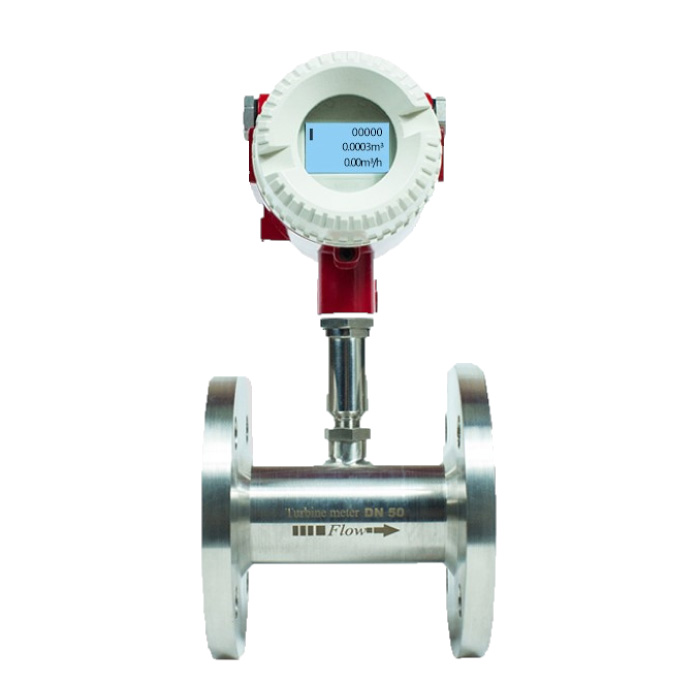
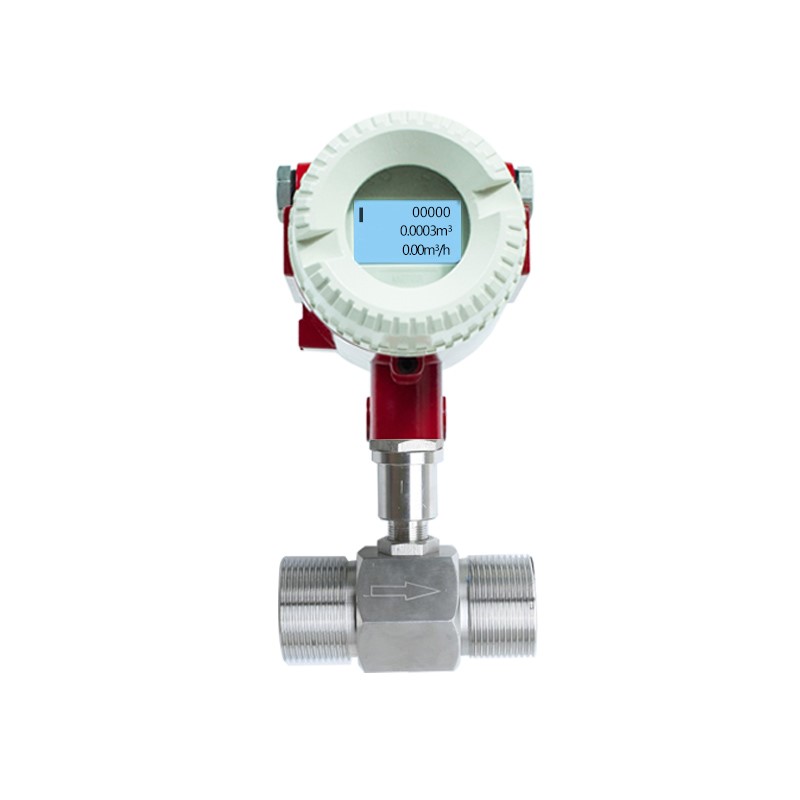
A turbine flow meter is a precise and reliable device used to measure the flow rate of liquids and gases in a pipeline. It operates based on the principle of a turbine wheel, which rotates when fluid flows through the meter. The turbine is positioned within the flow stream, and as the fluid passes over the turbine blades, it causes the turbine to spin. The rotational speed of the turbine is directly proportional to the flow rate of the fluid.
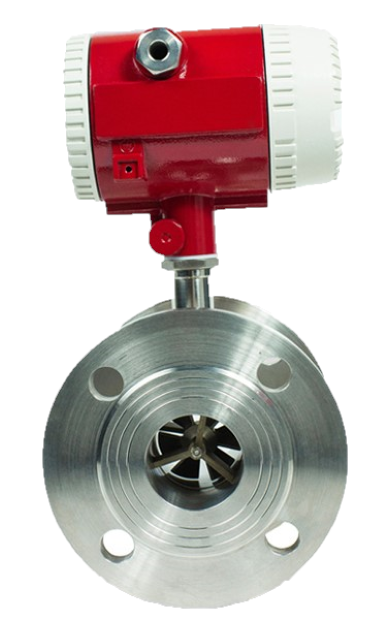
The turbine flow meter consists of a turbine rotor, a housing, and sensors that detect the rotor’s speed. These sensors convert the rotational speed into an electrical signal, which is then used to calculate the flow rate. The design of the turbine flow meter allows for high accuracy, wide flow range, and minimal pressure drop, making it suitable for various applications in industries such as oil and gas, water treatment, and chemical processing.
Installation of a turbine flow meter requires careful attention to the flow profile and alignment to ensure accurate measurements. Proper maintenance, including regular calibration and cleaning, is essential for sustained performance and accuracy. Overall, turbine flow meters are valued for their robustness, precision, and ability to handle a wide range of fluid types and flow rates.
Description
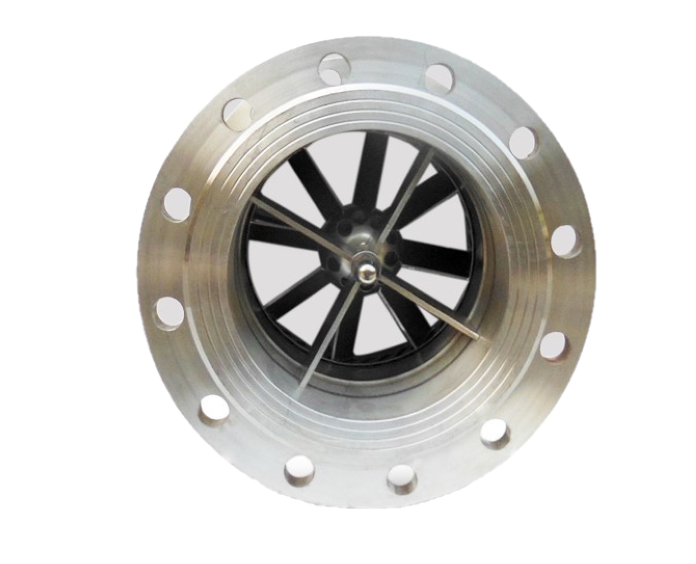
 Turbine Flow Meters are a type of flow meter that measures the flow rate of a fluid by measuring the rotational speed of a turbine placed in the fluid stream. It operates based on the principle that the flow of fluid causes the turbine to rotate, and the rotational speed of the turbine is proportional to the flow rate of the fluid. A turbine flow meter features a turbine with multiple blades mounted on a shaft, which you place in the fluid stream. The angled blades cause the turbine to rotate as the fluid flows past it. Sensors detect the turbine’s rotational speed, and you calculate the fluid flow rate based on this rotational speed and the turbine’s geometry.
The advantages of turbine flow meters include their high accuracy, their ability to measure flow rates in both liquids and gases, their wide range of flow rates, and their relatively low cost. They are commonly used in applications such as water and wastewater treatment, HVAC systems, and industrial process control. However, turbine flow meters may not be suitable for applications where the fluid contains solid particles or where the fluid has a high viscosity. Additionally, they may require periodic calibration to maintain their accuracy, and their accuracy may be affected by changes in fluid density and viscosity.
Typical Use
You can widely apply it to measure liquids with a kinematic viscosity under \(5 \times 10^{-6} \text{ m}^2/\text{s}\) that contain no impurities such as fibers or grains and do not interact corrosively with stainless steel (1Cr18Ni9Ti, 2Cr13), A12O3, or hard alloys in seal pipes. In addition, You can measure liquids with kinematic viscosities above \(5 \times 10^{-6} \text{ m}^2/\text{s}\) after calibrating the flowmeter with the specific liquid. You can also use it for value control and to trigger a siren when limits are exceeded, provided you use it with a special display instrument. So, it is the ideal instrument for measuring flow value and saving energy. Turbine Flow Meters measure the velocity of liquids, gases, and vapors in pipes, such as hydrocarbons in fuel flow measurement, chemical flow metering, water flow metering, cryogenic liquid flow metering, air or gas flow metering, and general industrial flow metering
How do Turbine Flow meters Work
Turbine flowmeters use the mechanical energy of the fluid to rotate a “pinwheel” (rotor) in the flow stream. Blades on the rotor are angled to transform energy from the flow stream into rotational energy. The rotor shaft spins on the bearings. When the fluid moves faster, the rotor spins proportionally faster. Turbine flowmeters now constitute 7% of the world market.
You can sense shaft rotation mechanically or by detecting the movement of the blades. Typically, you detect blade movement magnetically, with each blade or embedded piece of metal generating a pulse. Place turbine flowmeter sensors externally to the flowing stream to avoid material construction constraints that would result from using wetted sensors. As the fluid moves faster, the flowmeter generates more pulses. The transmitter processes the pulse signal to determine the flow of the fluid. Transmitters and sensing systems are available to sense flow in both the forward and reverse flow directions.
Plus and Minus of Turbine Flow Meters
The cost is moderate. Very good at clean, low-viscosity fluids of moderate velocity and a steady rate. Turndown is very good as it can read very low compared to the maximum flow. They are reliable if put in a clean fluid especially if it has some lubricity. AGA and API approved for custody transfers. They do cause some pressure drop where that may be a factor such as gravity flows. Not reliable for steam. Bearings wear out.
How to Use a Turbine Flow Meters
Turbine flowmeters measure the velocity of liquids, gases, and vapors in pipes, such as hydrocarbons, chemicals, water, cryogenic liquids, air, and industrial gases. High-accuracy turbine flowmeters are available for custody transfer of hydrocarbons and natural gas. These flowmeters often incorporate the functionality of a flow computer to correct for pressure, temperature, and fluid properties. This is in order to achieve the desired accuracy for the application.
Be careful using turbine flowmeters on fluids that are non-lubricating because the flowmeter can become inaccurate and fail if its bearings prematurely wear. Some turbine flowmeters have grease fittings for use with non-lubricating fluids. Additionally, turbine flowmeters designed for specific purposes, such as natural gas service, often operate effectively only within a limited temperature range (such as up to 60ºC). Operating them at higher temperatures can damage the flowmeter.
You can apply this flowmeter to sanitary, relatively clean, and corrosive liquids in sizes up to approximately 24 inches. You can also install smaller turbine flowmeters directly in the piping. The size and weight of larger turbine flowmeters may require the installation of substantial concrete foundations and supports. You can measure the flow of corrosive liquids by paying proper attention to the materials of construction for all wetted parts. Wetted parts such as the body, rotor, bearings, and fittings.
Applications for turbine flowmeters are found in the water, petroleum, and chemical industries. Water applications include distribution systems within and between water districts. Petroleum applications include the custody transfer of hydrocarbons.
Application Cautions for Turbine Flow Meters
Turbine flowmeters are less accurate at low flow rates due to rotor/bearing drag that slows the rotor. Make sure to operate these flowmeters above approximately 5 percent of maximum flow. Avoid operating turbine flowmeters at high velocity because they can cause premature bearing wear and/or damage. Be careful when measuring fluids that are non-lubricating because bearing wear can cause the flowmeter to become inaccurate and fail.
In some applications, you may need to replace bearings routinely, which can increase maintenance costs. Avoid using the flowmeter in dirty fluids to reduce the possibility of wear and bearing damage. In summary, turbine flowmeters have moving parts that are subject to degradation with time and use.
Avoid changing from gas flow to liquid flow should be avoided because it can mechanically stress the flowmeter. It can also degrade accuracy, and/or damage the flowmeter. These conditions generally occur when filling the pipe and under slug flow conditions. Two-phase flow conditions can also cause turbine flowmeters to measure inaccurately.
If this type of meter does not meet your requirement, we have other meter types: Ultrasonic, Coriolis, Vortex, and Electromagnetic.
Specifications
- High accuracy (regular accuracy±1%R, ±0.5%R, highest accuracy±0.2% R)
- Good repeatability (short-term one reaches 0.05%–0.2%), priority to be used in trade settlement for its extremely high accuracy in the regular calibration or on-line calibration.
- Pulse frequency signal output is applicable to totality calculation and computer connection with no zero drift and strong anti-interference capacity.
- High frequency (3-4kHz) can be achieved and has high resolution.
- Wide range ratio: medium or large diameter may reach 1:20, and small diameters are 1:10.
- Compact and light weight structure, convenient installation and maintenance, extensive application ability.
- Application to high pressure measurement with its unnecessary opening hole to be made into high pressure instruments.
- Complete tailored version sensors can be designed to different kinds of types according to users’ special needs. For instance, low temperature type, high pressure type, sanitary type, etc.
- Insertion type can be made, that is applicable to large normal diameters measurement for its little pressure loss, low price, unnecessary stopping flow to take out it, and convenient installation and maintenance.
Installation
Installing a turbine flow meter correctly is crucial for accurate flow measurement and the longevity of the device. Here’s a comprehensive step-by-step guide for installing a turbine flow meter:
Pre-Installation Preparation
Read the Manual: Review the manufacturer’s installation manual specific to your turbine flow meter model.
Check Specifications: Verify that the flow meter’s specifications (e.g., flow rate, pressure, temperature) match the requirements of your application.
Gather Tools and Materials: Ensure you have all necessary tools, fittings, and materials, including wrenches, pipe sealant, and any required adapters.
Site Assessment
Verify Location: Ensure the installation site has enough space for the flow meter and any associated components.
Check Flow Profile: Confirm that the location provides a stable flow profile. Avoid locations with turbulence, bends, or other obstructions within the pipe.
Pipe Preparation
Clean the Pipe: Make sure the pipe where the flow meter will be installed is clean and free of debris, scale, or other obstructions.
Cut and Deburr: If necessary, cut the pipe to the required length and deburr the edges to prevent damage to the flow meter.
Install Flow Meter
Turn Off Flow: Shut off the fluid flow and, if necessary, drain the pipeline to avoid spills or damage during installation.
Apply Sealant: Apply pipe sealant or Teflon tape to the threads of the flow meter or fittings if required. This helps prevent leaks.
Position Flow Meter: Insert the flow meter into the pipeline. Ensure that the flow direction indicated on the flow meter matches the actual flow direction in the pipe.
Secure Connections: Tighten the fittings carefully. Avoid over-tightening, which could damage the flow meter or cause leaks.
Check Orientation: Confirm that the flow meter is installed in the correct orientation, following any manufacturer guidelines regarding orientation and mounting.
Electrical and Signal Connections
Wiring: Connect the electrical wiring according to the manufacturer’s instructions. Ensure connections are secure and properly insulated.
Signal Calibration: If applicable, configure and calibrate the signal output as per the manufacturer’s specifications.
System Check
Inspect Installation: Check for leaks around the flow meter and fittings. Tighten connections if necessary.
Reopen Flow: Gradually reopen the flow valve to ensure that the system is pressurized correctly and there are no leaks.
Verify Operation: Monitor the flow meter to ensure it is operating correctly. Check the display or output signals to confirm accurate readings.
Post-Installation
Document Installation: Record the installation details, including the location, date, and any calibration settings.
Perform Routine Checks: Schedule regular maintenance and calibration checks as per the manufacturer’s recommendations.
Troubleshooting
Verify Calibration: If readings are not as expected, recheck calibration and ensure the flow meter is functioning correctly.
Inspect for Issues: Look for any signs of mechanical issues or obstructions that might affect performance.
Additional Tips
Temperature and Pressure Ratings: Ensure the flow meter is installed within its rated temperature and pressure limits.
Flow Conditioning: For accurate readings, some installations may require flow conditioning devices, such as straighteners or dampeners, depending on the application.
By following these procedures, you should achieve a successful and accurate installation of your turbine flow meter.
Maintenance
Maintaining a turbine flow meter is essential to ensure its accuracy and longevity. Proper maintenance involves regular inspections, cleaning, calibration, and addressing any issues promptly. Here’s a comprehensive guide to maintaining a turbine flow meter:
Routine Inspections
- Visual Check: Regularly inspect the flow meter for any signs of damage, leakage, or wear. Look for any unusual vibrations or noise during operation.
- Connections: Verify that all electrical and mechanical connections are secure and free from corrosion or damage.
Cleaning
- Determine Cleaning Frequency: The frequency of cleaning depends on the type of fluid being measured and the operating conditions. For dirty or viscous fluids, more frequent cleaning may be required.
- Shutdown: Always turn off the flow and depressurize the system before cleaning.
- Remove Meter: If necessary, remove the flow meter from the pipeline for thorough cleaning.
- Clean Components: Use appropriate cleaning agents and methods recommended by the manufacturer to clean the turbine and housing. Avoid abrasive materials that could damage the components.
- Inspect During Cleaning: While cleaning, inspect the turbine blades and bearings for wear or damage.
Calibration
- Regular Calibration: Schedule regular calibration checks according to the manufacturer’s recommendations or industry standards. Calibration should be performed in a controlled environment with known flow rates.
- Adjustments: Make necessary adjustments based on calibration results to ensure accurate flow measurements.
- Record Keeping: Maintain records of calibration dates, results, and any adjustments made.
Functional Testing
- Operational Checks: Periodically test the flow meter under actual operating conditions to ensure it is functioning correctly.
- Compare Readings: Compare the meter’s readings with those of a reference meter or a known flow rate to verify accuracy.
Troubleshooting
- Check for Issues: If the flow meter exhibits irregular readings, erratic performance, or other issues, investigate potential causes such as blockages, mechanical wear, or electrical problems.
- Consult Manual: Refer to the manufacturer’s troubleshooting guide for specific issues related to your flow meter model.
Component Replacement
- Wear Parts: Replace any worn or damaged parts such as bearings or turbine blades according to the manufacturer’s guidelines.
- Seals and Gaskets: Regularly inspect and replace seals and gaskets to prevent leaks and maintain performance.
System Maintenance
- Flow Profile: Ensure that the installation conditions, such as flow profile and straight pipe lengths, remain suitable for accurate measurement.
- Pipe Integrity: Inspect the pipeline for damage, corrosion, or blockages that could affect flow meter performance.
Documentation
- Maintenance Records: Keep detailed records of all maintenance activities, including inspections, cleaning, calibrations, and repairs.
- Service History: Document any issues and their resolutions to help with future troubleshooting and maintenance planning.
By following these maintenance procedures, you can ensure that your turbine flow meter continues to operate accurately and reliably, minimizing downtime and extending its service life.
Q&A
Q1: What is a turbine flow meter, and how does it work?
A1: A turbine flow meter is a device used to measure the flow rate of liquids or gases in a pipeline. It operates based on a turbine rotor that spins as fluid flows through it. The speed of the turbine’s rotation is directly proportional to the flow rate. Sensors detect the rotational speed and convert this into an electrical signal that indicates the flow rate.
Q2: What are the key advantages of using a turbine flow meter?
A2: Turbine flow meters offer high accuracy, wide flow range, and minimal pressure drop. They are durable and can handle various types of fluids. Their design makes them suitable for applications in industries like oil and gas, water treatment, and chemical processing.
Q3: How should I install a turbine flow meter?
A3: Ensure the installation site has a stable flow profile. Turn off the flow and drain the pipeline before installation. Apply pipe sealant, insert the flow meter into the pipeline ensuring correct orientation and flow direction, and tighten connections securely. Reopen the flow gradually and check for leaks. Follow the manufacturer’s specific installation guidelines.
Q4: What maintenance is required for a turbine flow meter?
A4: Regular maintenance includes visual inspections, cleaning, calibration, and functional testing. Clean the meter as needed based on the fluid being measured, calibrate it periodically, and check for issues like leakage or mechanical wear. Replace worn parts and keep detailed maintenance records.
Q5: How often should I calibrate a turbine flow meter?
A5: Calibration frequency depends on factors such as the application’s requirements and operating conditions. Typically, it is recommended to calibrate the flow meter at least annually, or more frequently if the meter is exposed to harsh conditions or high flow variations.
Q6: What are common issues with turbine flow meters, and how can I troubleshoot them?
A6: Common issues include inaccurate readings, erratic performance, or mechanical wear. To troubleshoot, check for blockages or debris in the meter, inspect for mechanical damage, and ensure electrical connections are secure. Refer to the manufacturer’s troubleshooting guide for specific problems.
Q7: Can turbine flow meters measure both liquids and gases?
A7: Yes, turbine flow meters can measure both liquids and gases. However, ensure the meter is suitable for the specific type of fluid and operating conditions. Consult the manufacturer’s specifications to confirm compatibility.
Q8: What should I do if my turbine flow meter shows inconsistent readings?
A8: Inconsistent readings may be due to factors such as blockages, mechanical issues, or calibration drift. Check for obstructions in the pipeline, verify the meter’s calibration, and inspect for any signs of damage or wear. Addressing these issues should help restore consistent performance.
Feel free to ask if you have more questions or need additional information!
Advantages / Disadvantages
Advantages
High Accuracy
- Turbine flow meters provide precise and reliable measurements of flow rate, making them suitable for applications requiring high accuracy.
Wide Flow Range
- They can measure a broad range of flow rates, making them versatile for various industrial applications.
Low Pressure Drop
- The design of turbine flow meters ensures minimal pressure drop across the meter, which helps in maintaining system efficiency.
Durability
- Constructed from robust materials, turbine flow meters are durable and capable of withstanding harsh operating conditions.
Real-Time Measurements
- They offer real-time flow measurement, which is beneficial for dynamic processes where immediate feedback is needed.
Ease of Integration
- Turbine flow meters can be easily integrated into existing pipelines and systems due to their compact design and variety of available sizes and connection types.
Low Maintenance
- With relatively few moving parts, turbine flow meters require less frequent maintenance compared to some other flow measurement technologies.
Disadvantages
Susceptibility to Viscosity Changes
- Turbine flow meters can be sensitive to changes in fluid viscosity, which may affect measurement accuracy, particularly with non-Newtonian fluids.
Potential for Wear and Tear
- The moving parts, such as the turbine rotor, are subject to mechanical wear over time, which may necessitate periodic replacement or maintenance.
Requires Straight Pipe Runs
- Accurate measurements typically require a certain length of straight pipe upstream and downstream of the meter to ensure a stable flow profile.
Not Ideal for Low Flow Rates
- At very low flow rates, turbine flow meters may become less accurate or fail to provide reliable measurements.
Limited to Certain Fluids
- While they can measure many fluids, turbine flow meters may not be suitable for fluids with high levels of particulates or those that can cause abrasive wear.
Electrical Interference
- The electronic components and sensors can be susceptible to electrical interference, which may affect the accuracy of the flow readings.
Higher Initial Cost
- The initial purchase cost of turbine flow meters can be higher compared to some other flow measurement technologies.
By understanding these advantages and disadvantages, you can make an informed decision about whether a turbine flow meter is the right choice for your specific application.
Applications
Turbine flow meters are versatile instruments used across various industries due to their accuracy, durability, and ability to measure a wide range of flow rates. Here are some common applications:
Oil and Gas Industry
Crude Oil and Refined Products: Turbine flow meters are used for measuring the flow of crude oil, gasoline, diesel, and other refined products in pipelines and storage facilities.
Natural Gas: They measure natural gas flow in both upstream (production) and downstream (transportation and distribution) applications.
Chemical Processing
Chemical Reactions: Used to monitor and control the flow of chemicals in reaction processes to ensure proper ratios and reactions.
Batch Processing: Ideal for accurate measurement in batch processing systems where precise fluid volumes are critical.
Water and Wastewater Treatment
Municipal Water Supply: Turbine flow meters measure the flow of potable water in distribution systems and treatment facilities.
Wastewater Treatment: They help monitor and control the flow of wastewater and sludge, ensuring efficient treatment processes.
Food and Beverage Industry
Product Mixing: Essential for accurate measurement of ingredients in food and beverage production, including syrups, juices, and dairy products.
Quality Control: Ensures consistent product quality by accurately measuring fluid flows during production and packaging.
Pharmaceutical Industry
Process Monitoring: Used in the production of pharmaceutical products to measure and control the flow of various liquids and ensure compliance with strict quality standards.
Ingredient Measurement: Accurate flow measurement of active ingredients and solvents is crucial in pharmaceutical manufacturing.
HVAC Systems
Chilled Water and Hot Water Systems: In heating, ventilation, and air conditioning (HVAC) systems, turbine flow meters measure the flow of chilled or hot water in cooling and heating applications.
Automotive Industry
Fuel Flow Measurement: Turbine flow meters are used in automotive testing and manufacturing to measure fuel flow rates for performance evaluation and quality control.
Marine and Shipping
Fuel Management: Used to measure the flow of fuel in marine vessels, ensuring efficient fuel usage and compliance with regulations.
Aerospace
Fuel Testing: In aerospace applications, turbine flow meters are used for testing and measuring fuel flow rates in engines and other systems.
Industrial Processes
General Manufacturing: They are employed in various manufacturing processes where accurate fluid flow measurement is necessary for controlling and optimizing operations.
By applying turbine flow meters in these diverse fields, industries can achieve precise flow measurement, enhance operational efficiency, and ensure quality control.
Drawings